Water damage and tenant rights in Ontario: who pays for what
By James Silva · Updated 2026-08-02
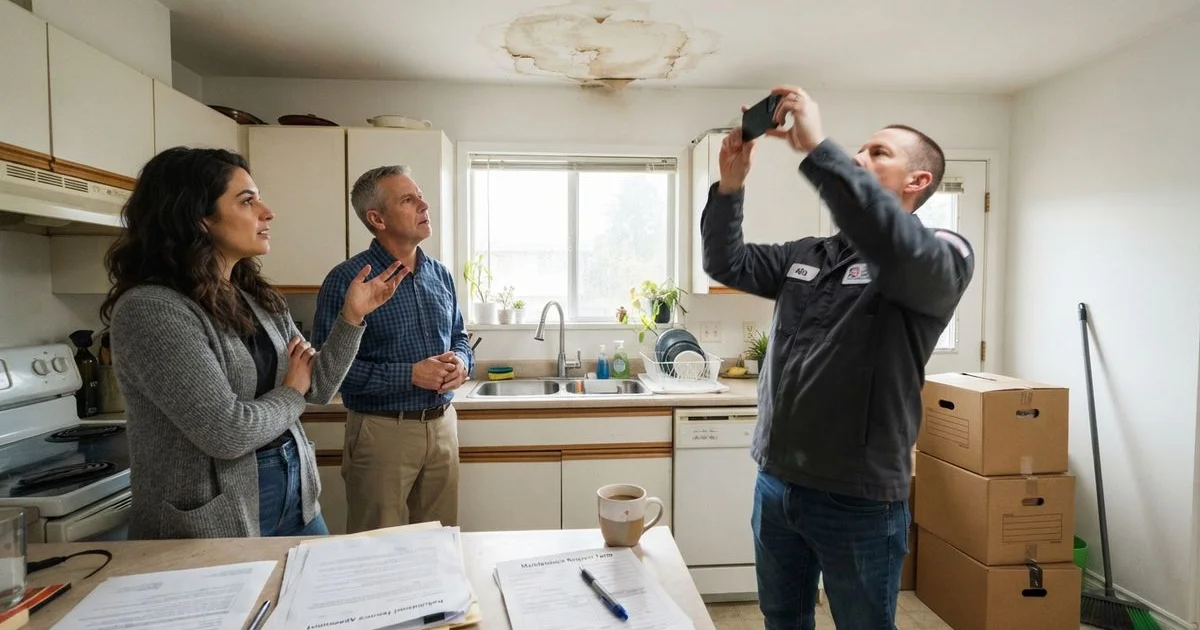
Water damage in a rental unit raises questions that property ownership doesn’t: who’s responsible for repairs, who pays for damaged belongings, and what happens if the landlord doesn’t act quickly. This is general information about Ontario tenancy, not legal advice; the Landlord and Tenant Board or a tenant legal clinic can advise on your specific situation.
The general rule: landlords maintain, tenants report
Ontario’s Residential Tenancies Act generally requires landlords to keep a rental property in a good state of repair, which includes addressing water damage from plumbing failures, roof leaks, or other building issues. Tenants are generally expected to report problems promptly and avoid causing damage through negligence. That division sounds simple, but the details of who pays for what often depend on the specific cause and circumstances of the damage. If your rental unit is a condo, the condo corporation’s master policy can also factor into who’s liable; the condo vs house water damage liability guide breaks down how that typically splits.
Who typically pays for what
| Damage source | Typically landlord’s responsibility | Typically tenant’s responsibility |
|---|---|---|
| Plumbing or building failure | Yes | No |
| Normal wear and building age | Yes | No |
| Tenant negligence (e.g. left tap running, unit unoccupied) | No | Possibly yes |
| Tenant’s personal belongings | No (unless landlord caused it) | Tenant insurance |
Why tenant insurance matters
Even when a landlord is responsible for repairing the unit itself, that typically doesn’t extend to a tenant’s personal belongings. This is where tenant insurance, often inexpensive relative to the risk, makes a real difference. Without it, damaged furniture, electronics, or clothing from a water event may not be covered by anyone, since the landlord’s policy generally covers the building, not the tenant’s possessions.
What to do when water damage happens
Report the issue to your landlord immediately, in writing, even if you’ve also called or texted, since a written record matters if there’s ever a dispute. Take photos and video before any cleanup starts. If the damage affects habitability, no heat, no working plumbing, unsafe conditions, that typically raises the urgency of the landlord’s obligation to respond.
If your landlord doesn’t respond
Document every attempt to reach your landlord, including dates and what was said. Ontario’s Landlord and Tenant Board handles disputes about maintenance obligations, and tenants can file an application if a landlord fails to address a serious repair issue within a reasonable time. Local tenant legal clinics can also provide free guidance specific to your situation, since the right next step depends on details a general guide can’t fully account for.
Living through the restoration process
If restoration work is needed, ask your landlord who’s coordinating it and get a rough timeline. You’re generally entitled to have the unit restored to a livable condition, and in some cases, rent abatement may apply if the unit is significantly uninhabitable during the work. The restoration company doing the actual work typically coordinates with the landlord, but as the tenant, you can still ask questions about the timeline and what’s being done.
What to keep for your own records
Regardless of how the repair process goes, keep your own copies of every message you send your landlord, every photo you take, and any repair updates you receive. If a dispute ever does need to go before the Landlord and Tenant Board, a clear, dated paper trail is often the single most useful thing a tenant can bring to that process, far more persuasive than a recollection of what was said over the phone weeks earlier.
Where to go for more help
For anything beyond general repair questions, an Ontario tenant legal clinic or the Landlord and Tenant Board’s own resources are the right authority, not a general guide like this one. If you’re a landlord trying to find a reliable restoration company quickly, our home page lists vetted local providers, and our ranking method explains how those listings are evaluated.
Water damage in a rental adds a layer of complexity that ownership doesn’t have, but the core principle is consistent: landlords maintain the property, tenants report problems promptly, and both sides benefit from clear, written communication when something goes wrong.
Common questions
- Is my landlord required to fix water damage in my rental unit?
- Yes, landlords in Ontario are generally required to maintain the property in a good state of repair, which includes addressing water damage that affects habitability. This is a general summary, not legal advice, and your specific situation may involve details worth confirming with a tenant rights resource.
- Am I responsible for water damage I accidentally caused?
- It depends on the circumstances. Damage from normal use or an appliance failure is typically the landlord's responsibility to repair, though you may be liable if the damage resulted from your negligence, like leaving a tap running and leaving the unit.
- Can my landlord make me pay for restoration costs?
- Generally not for damage from normal wear, building deficiencies, or accidents unrelated to your negligence. If there's a dispute about responsibility, Ontario's Landlord and Tenant Board is the venue where that typically gets resolved.
- What do I do if my landlord isn't responding to a water damage issue?
- Document the issue in writing, with photos and dates, and follow up in writing as well, not just verbally. If there's no response within a reasonable time and the issue affects habitability, Ontario's Landlord and Tenant Board process is the next step.