Structural Drying & Dehumidification in Ontario
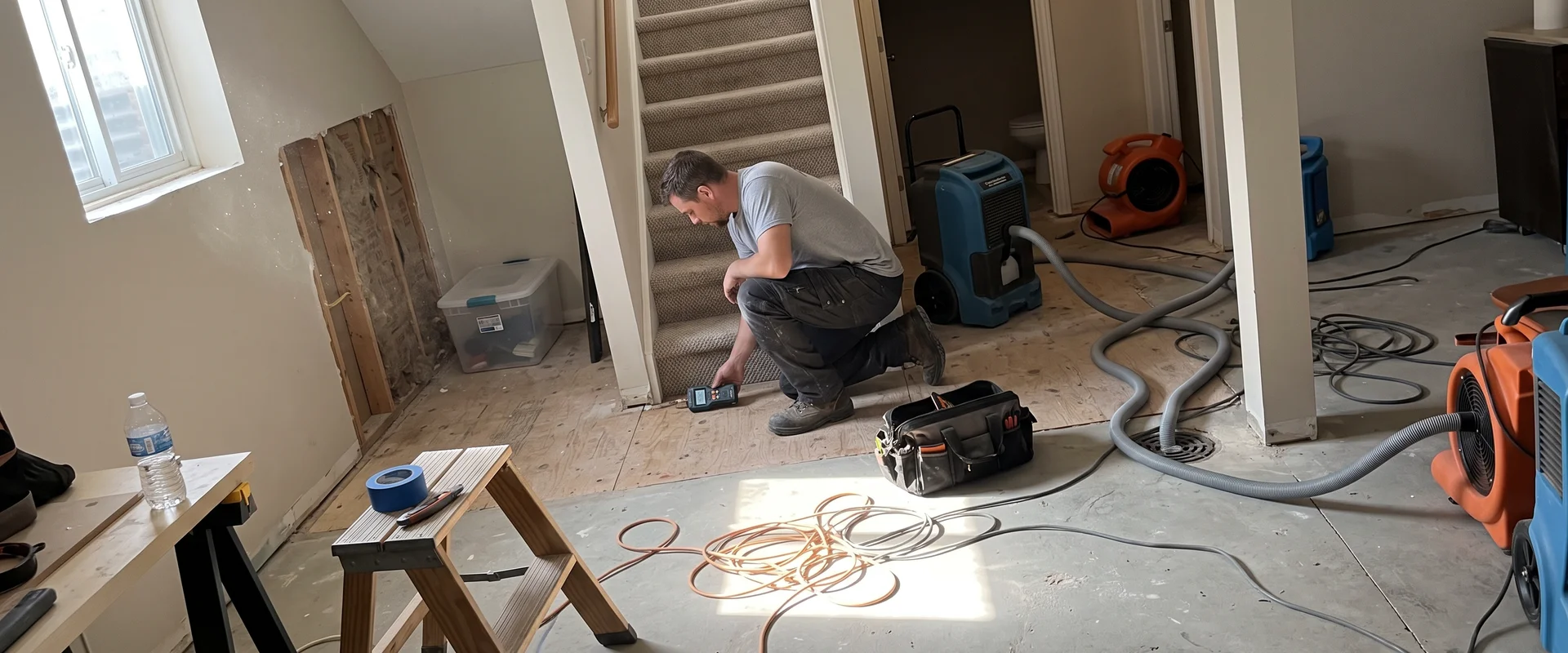
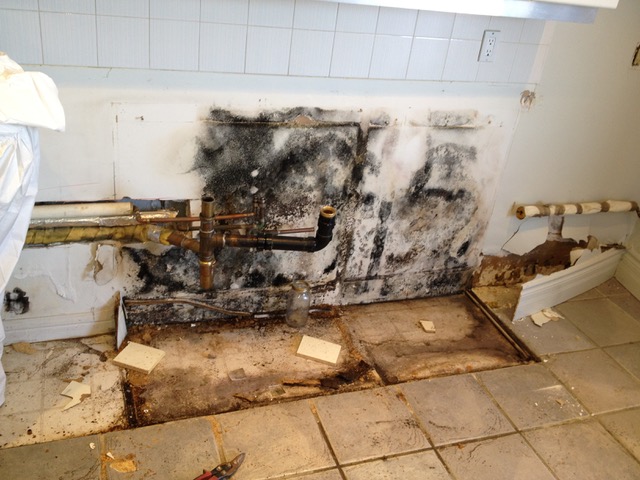
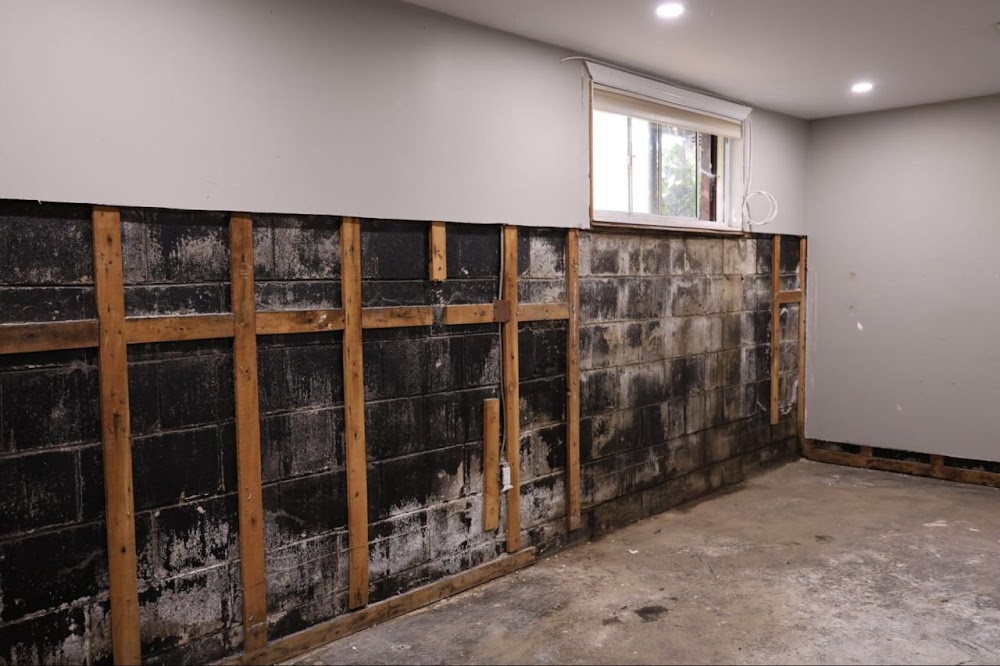
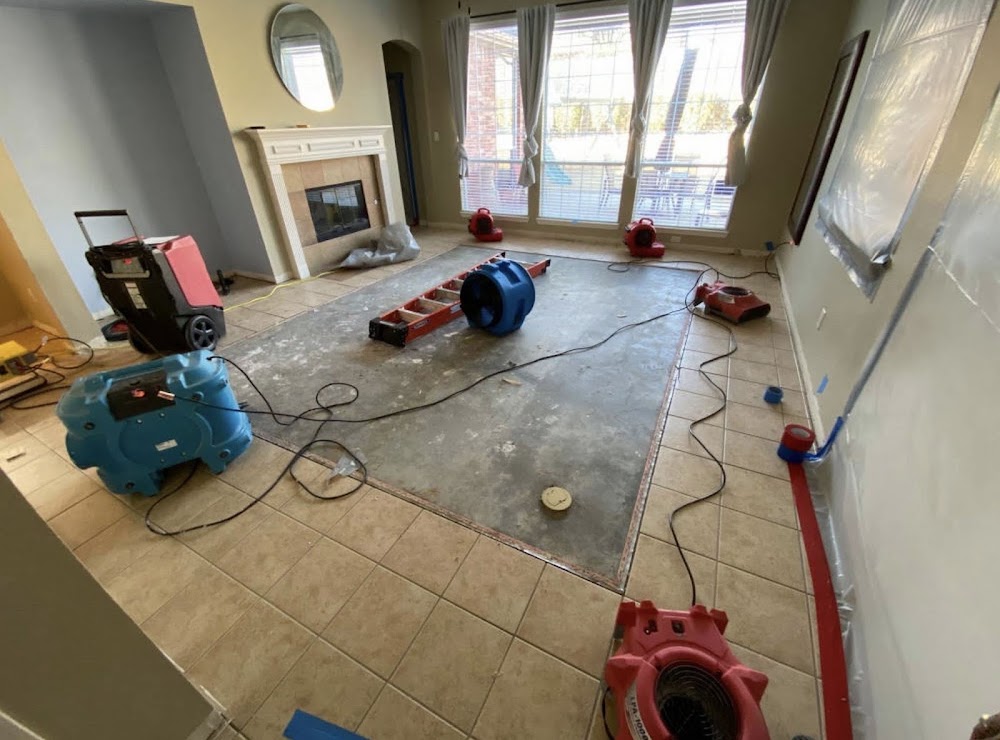
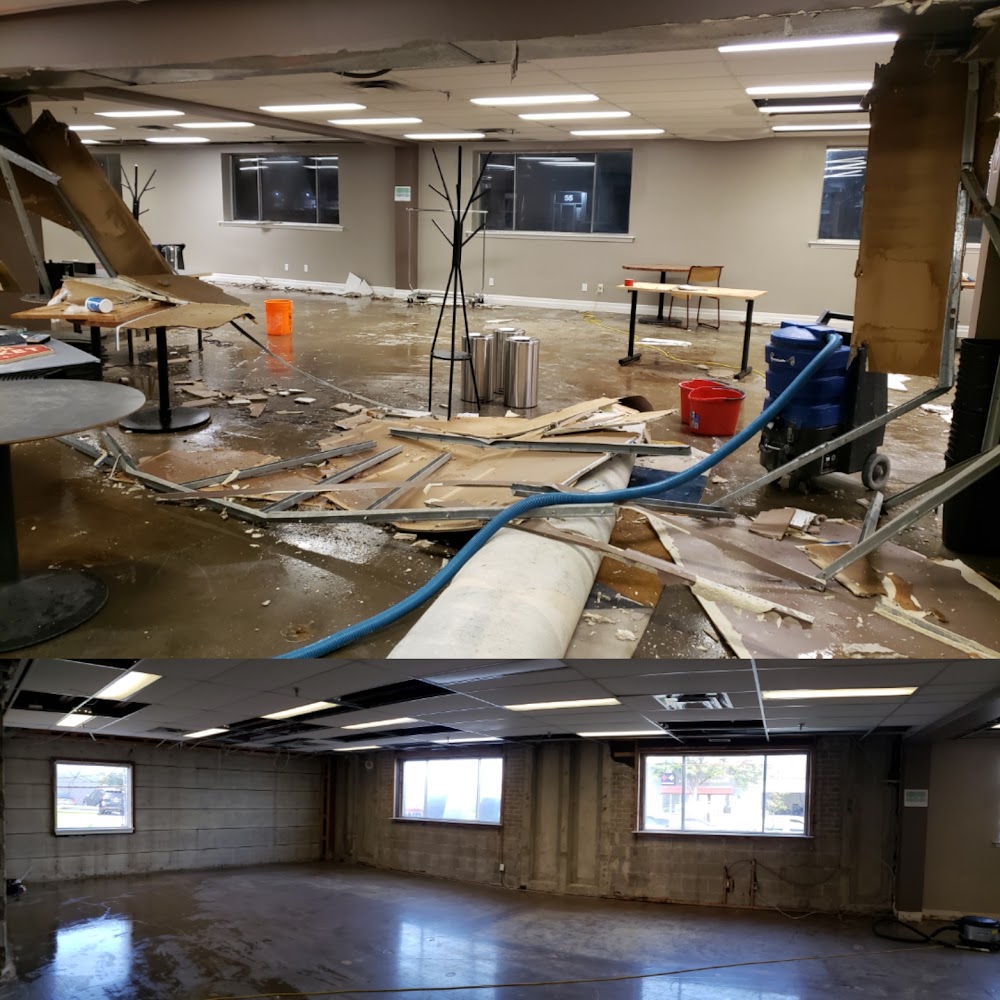
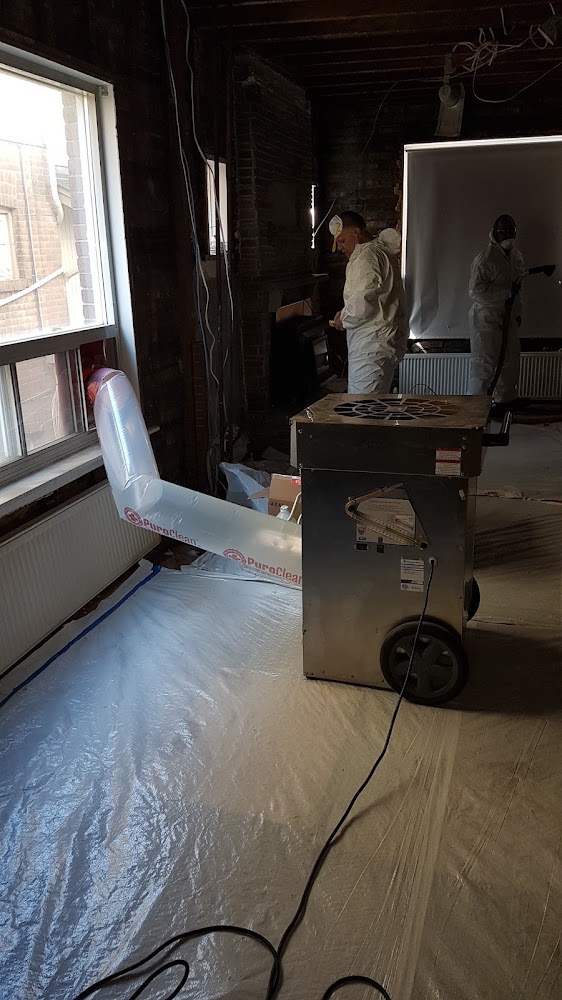
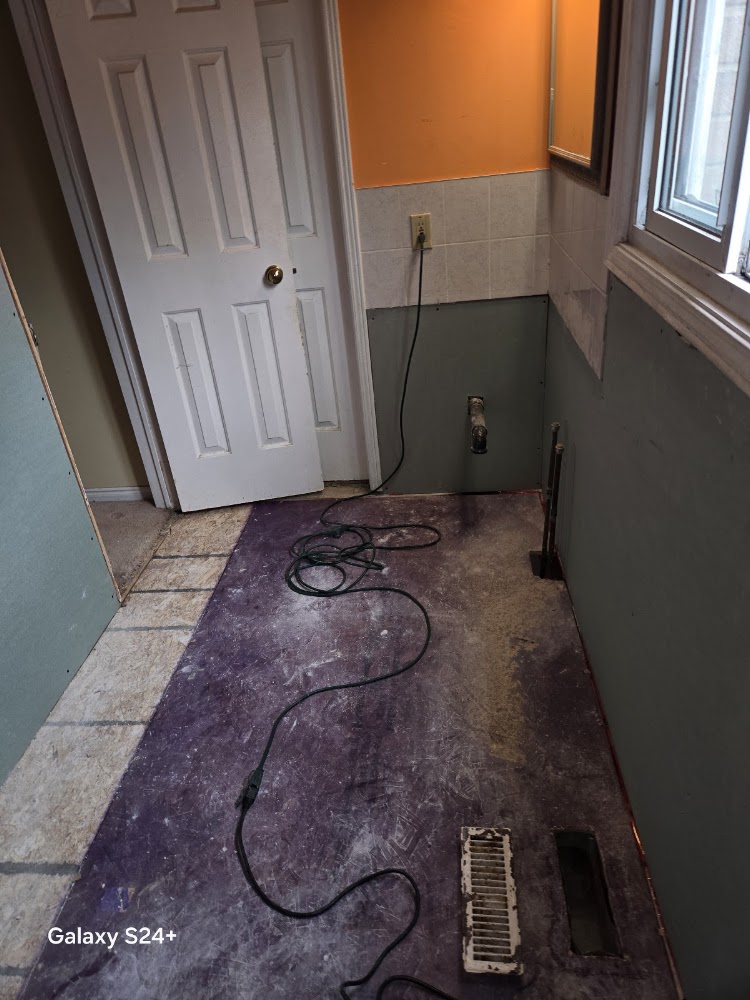
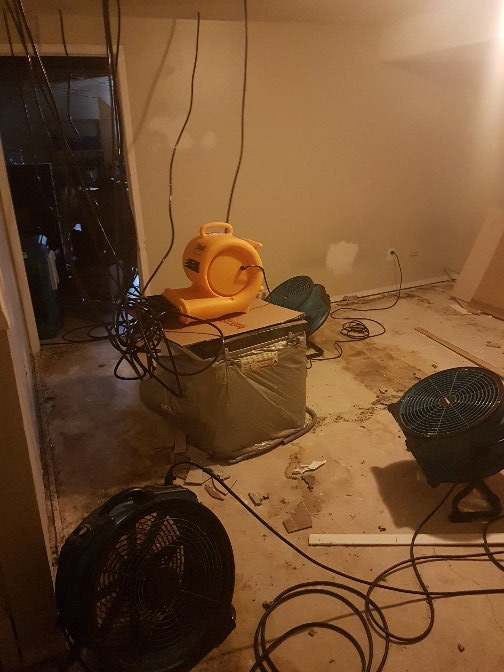
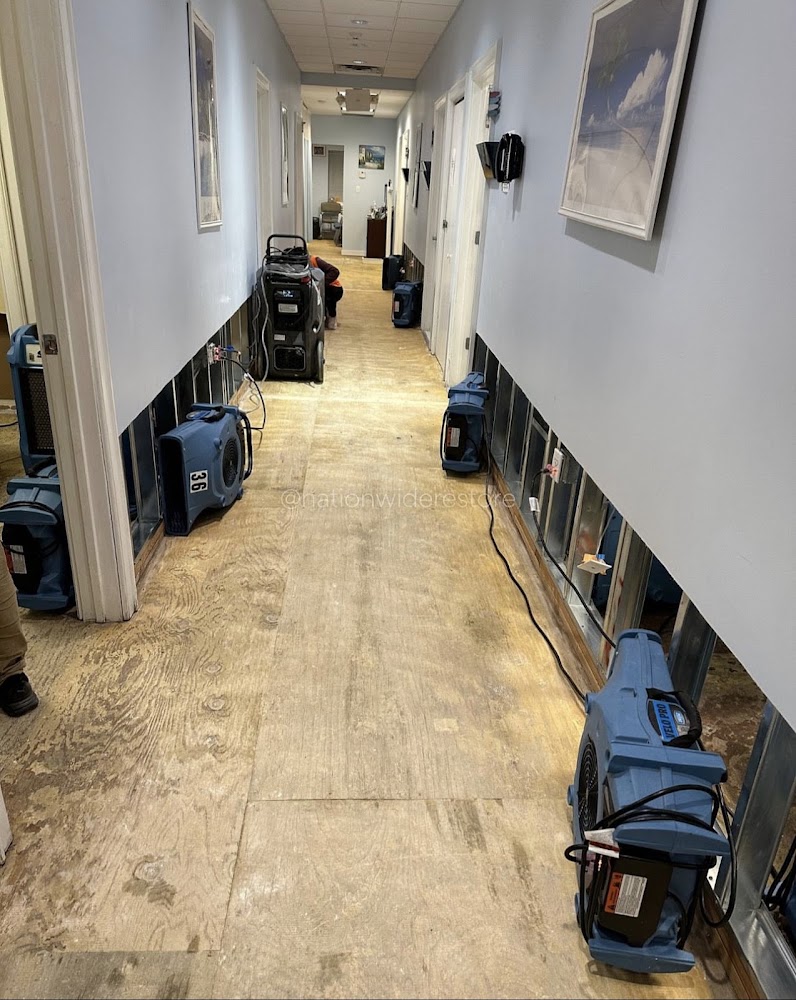
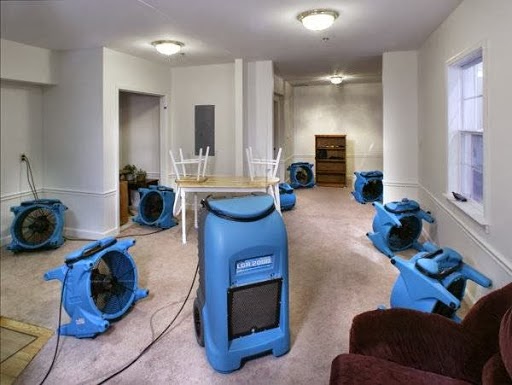
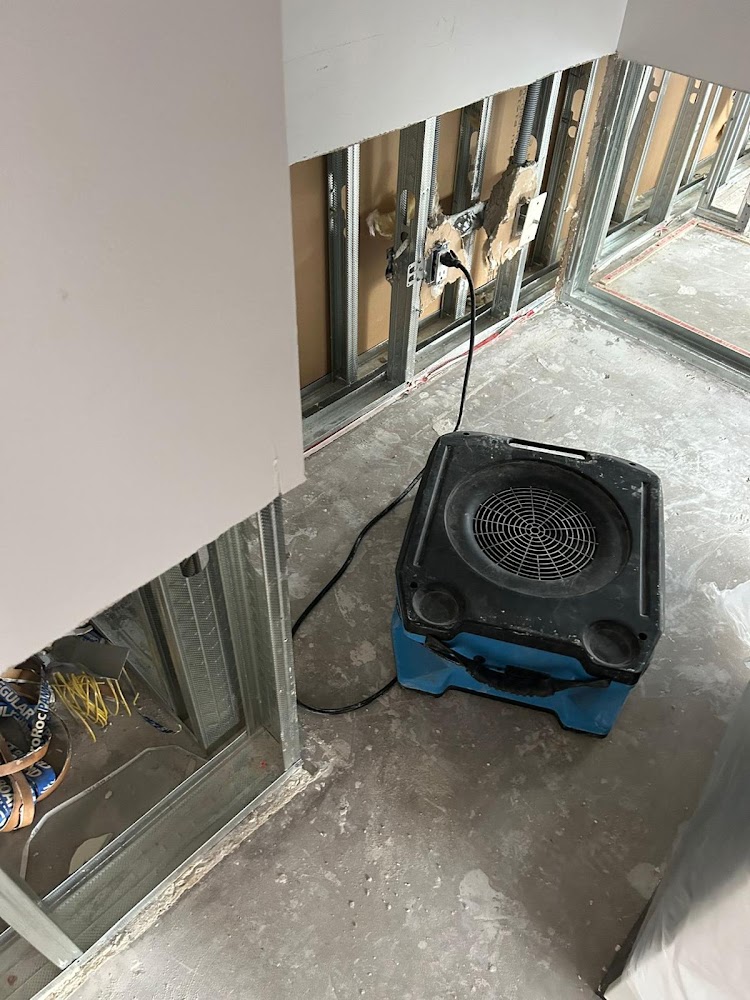
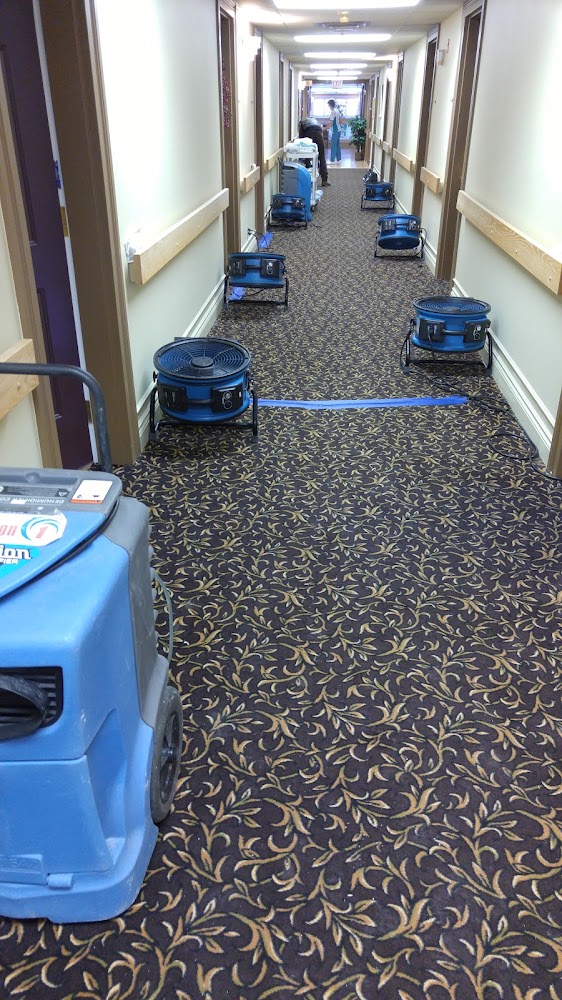
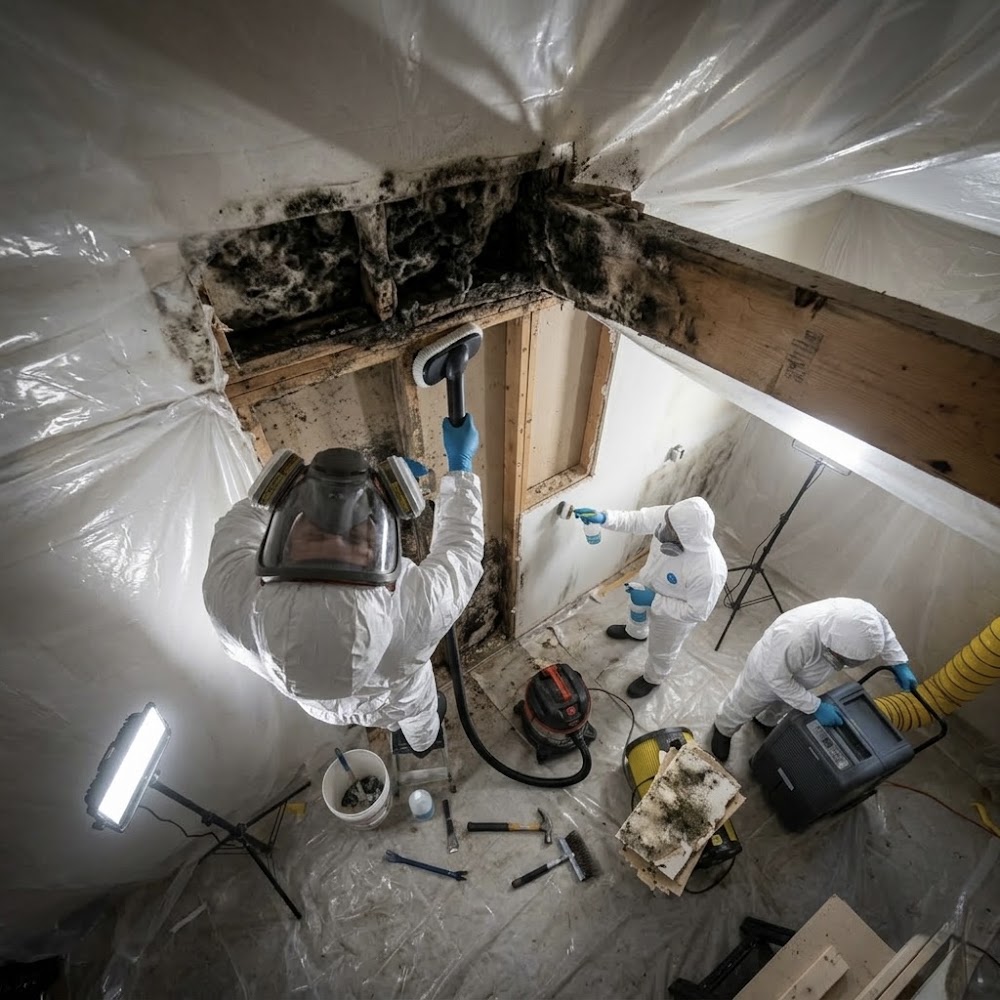
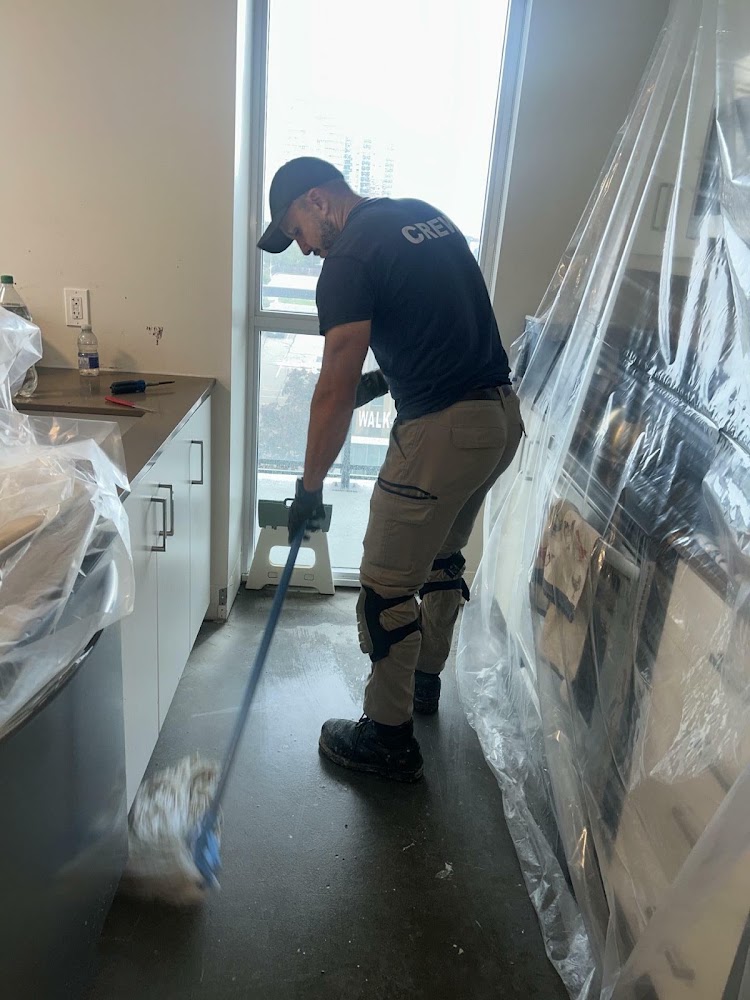
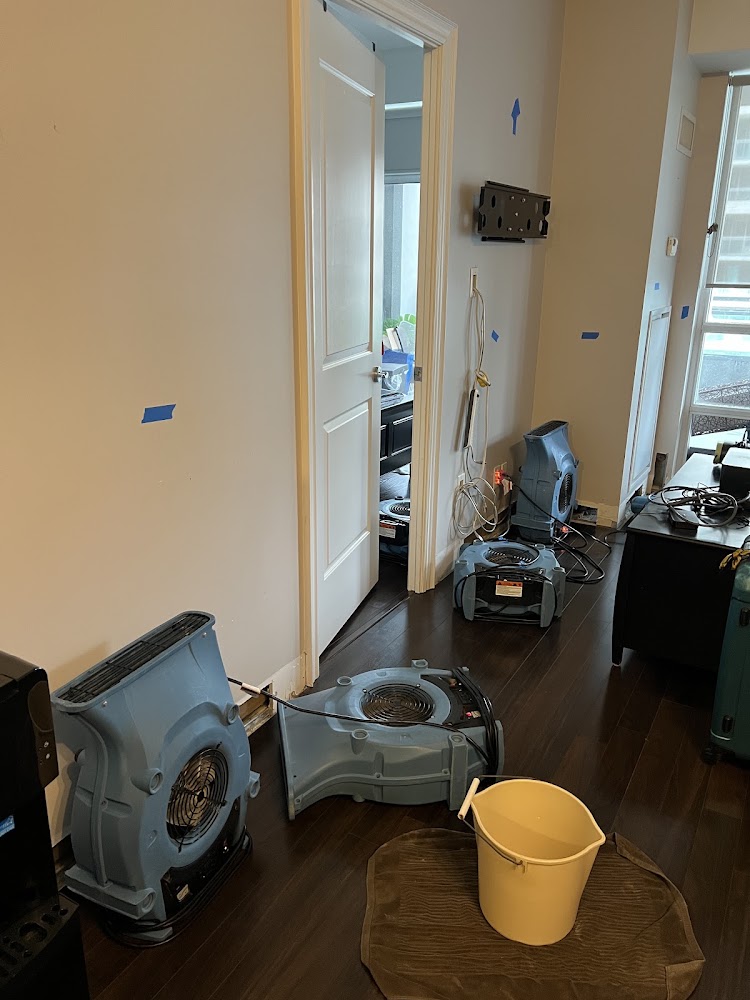
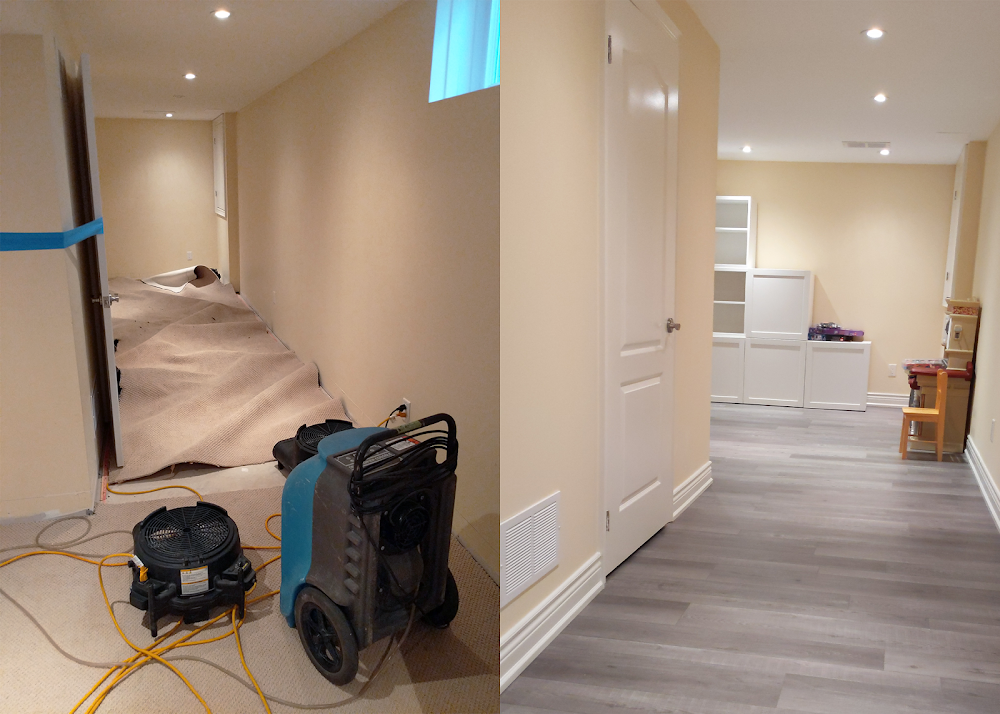
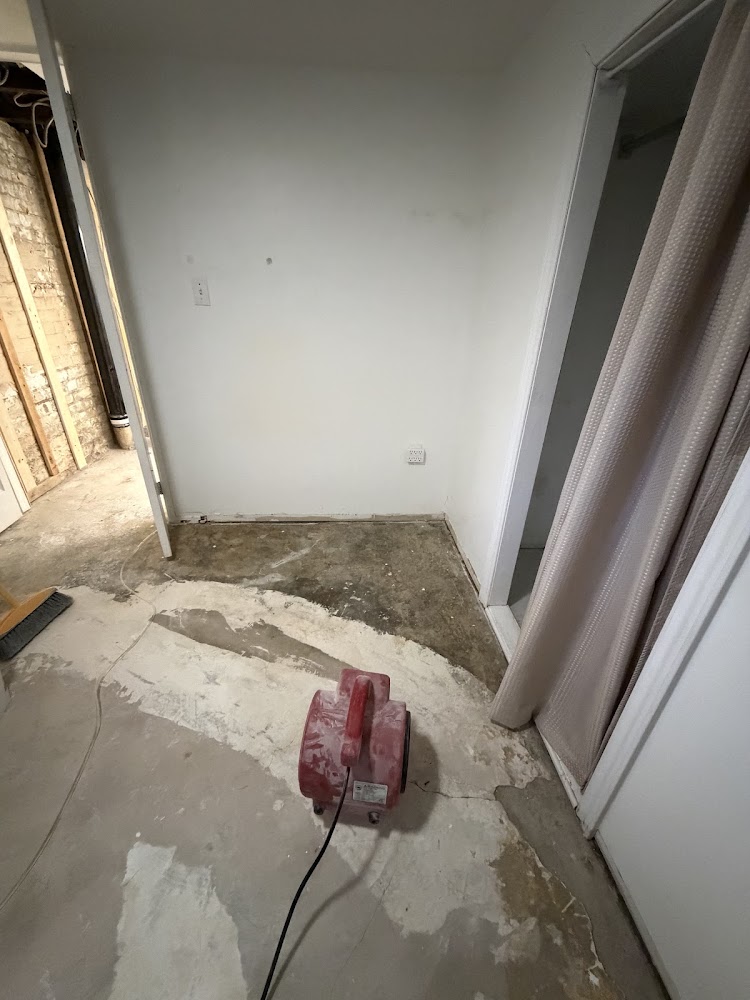
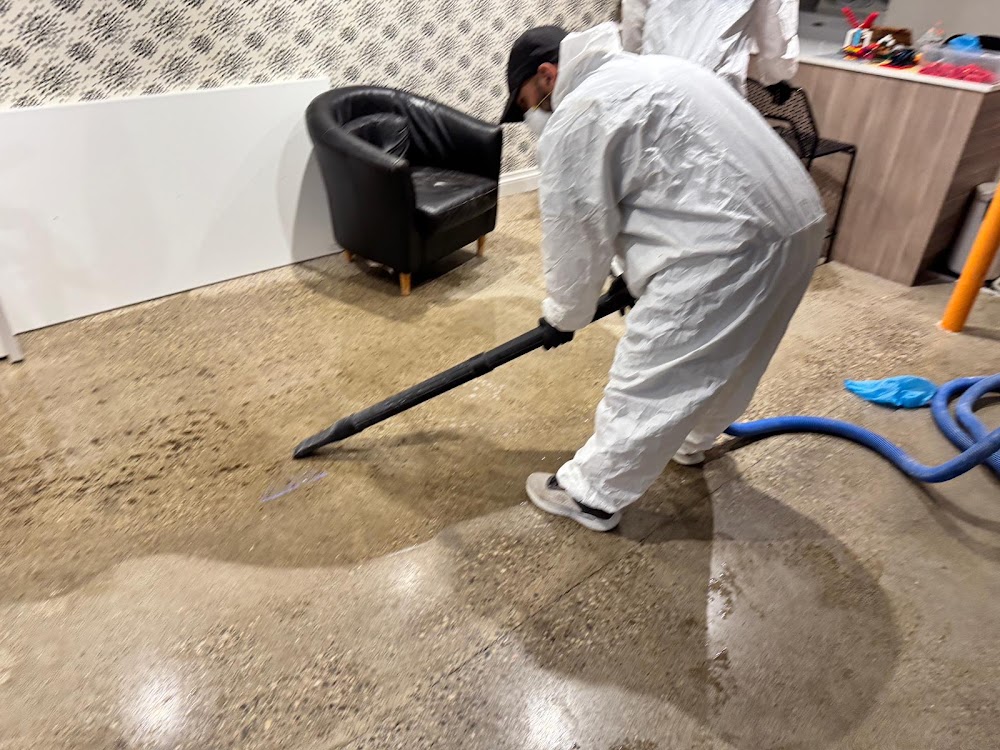
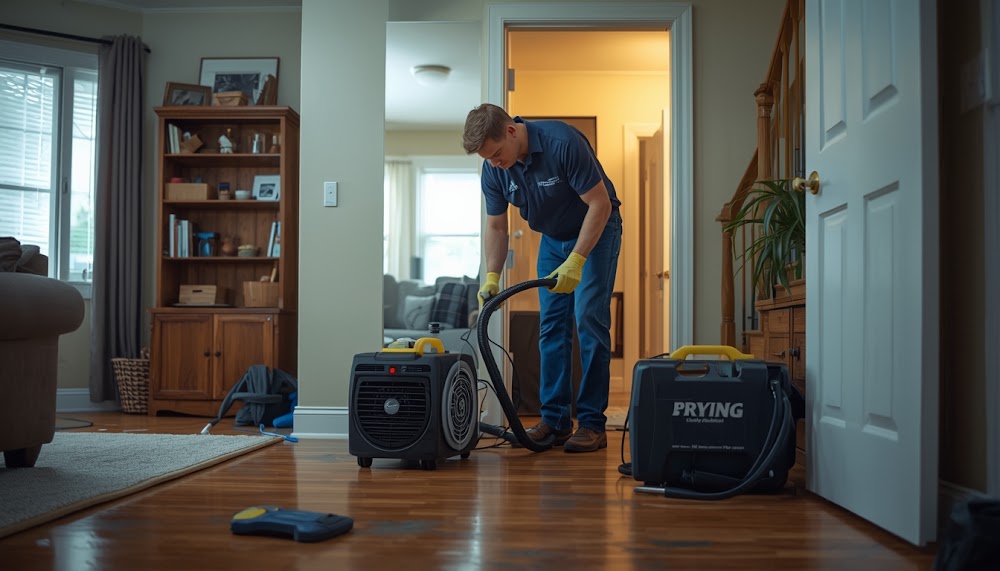
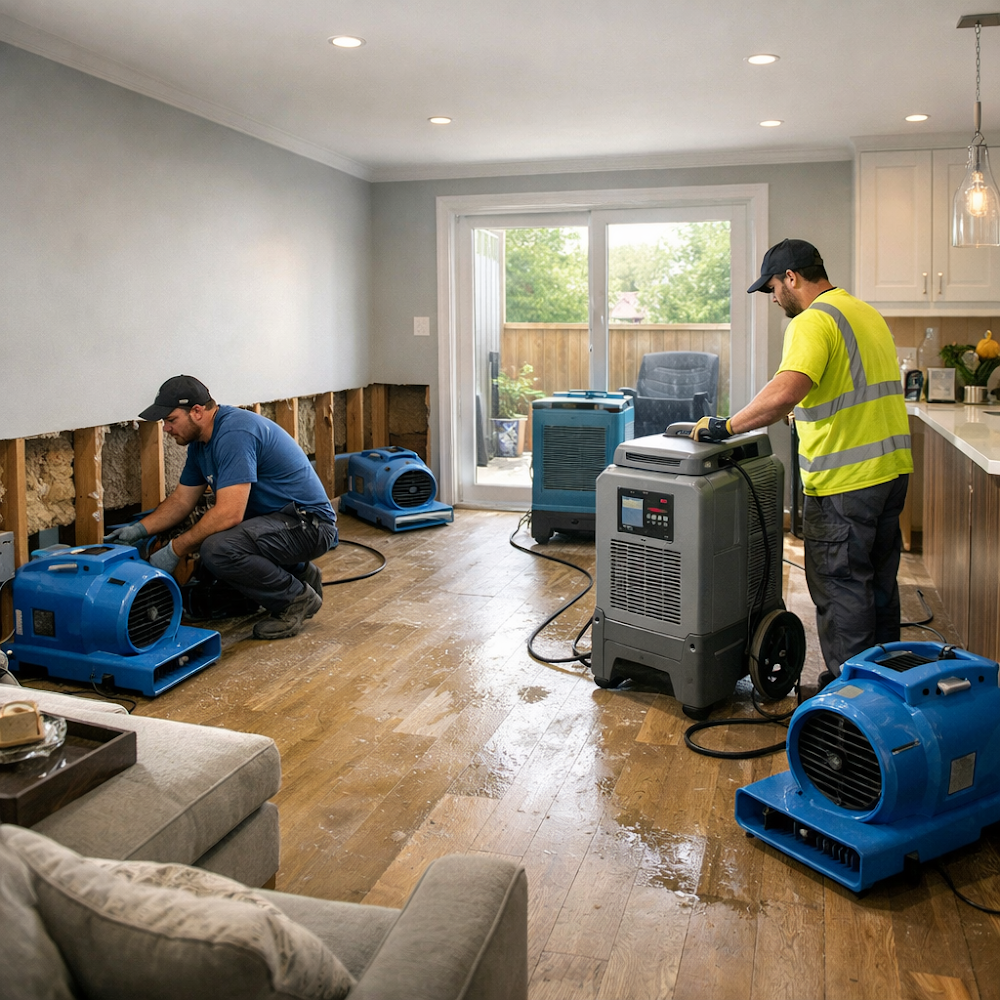
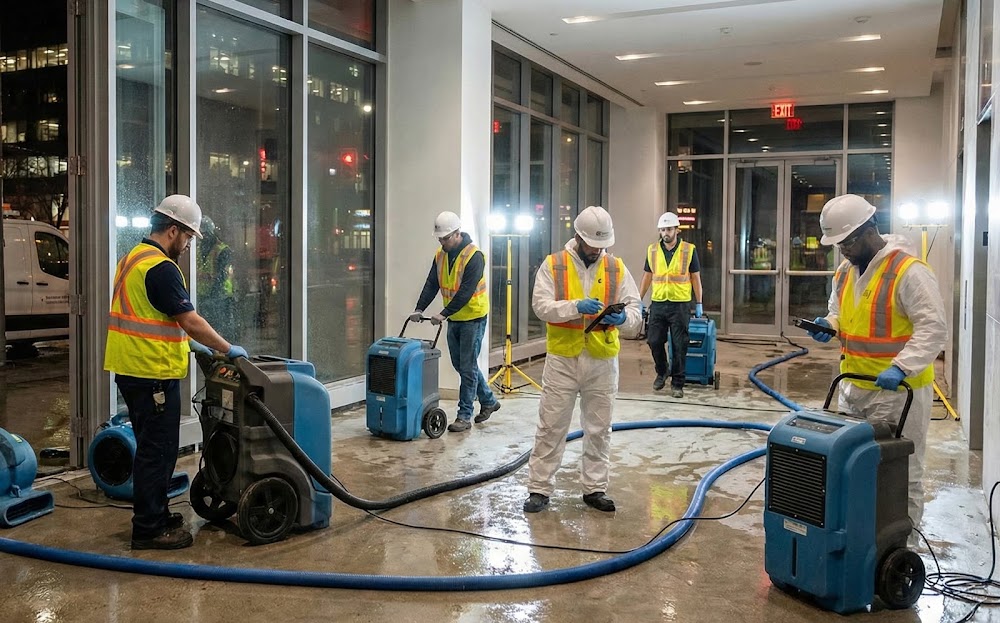
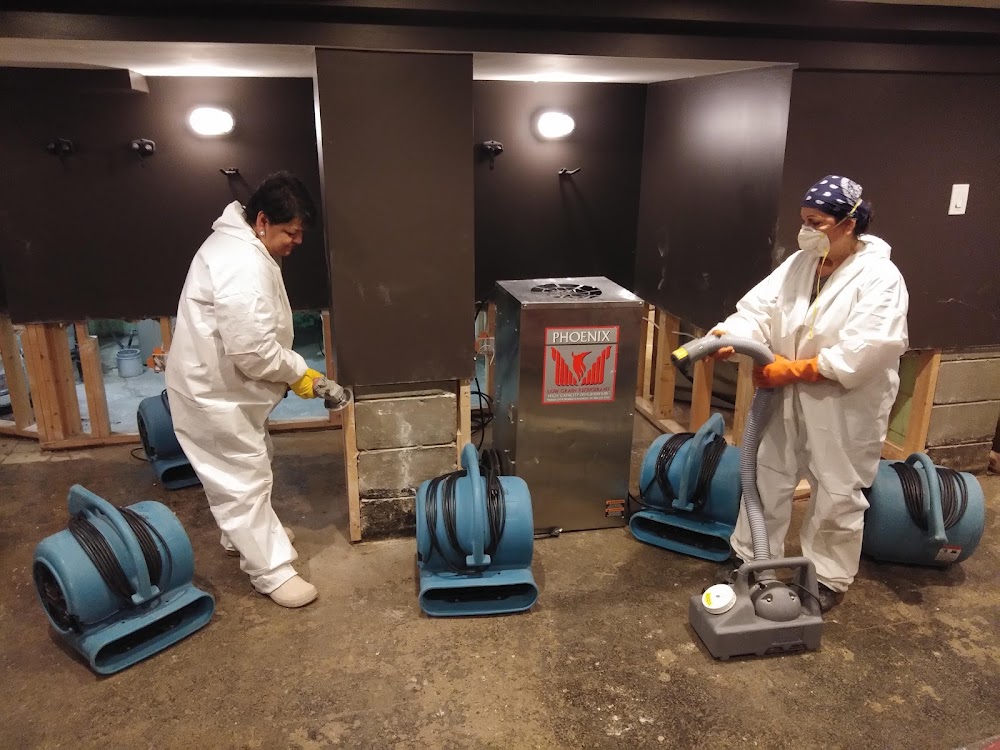
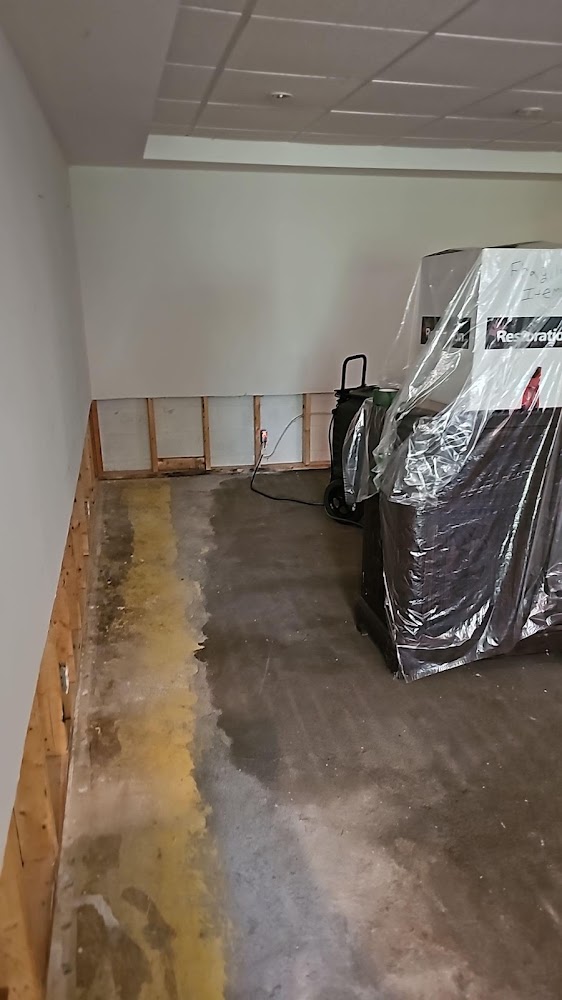
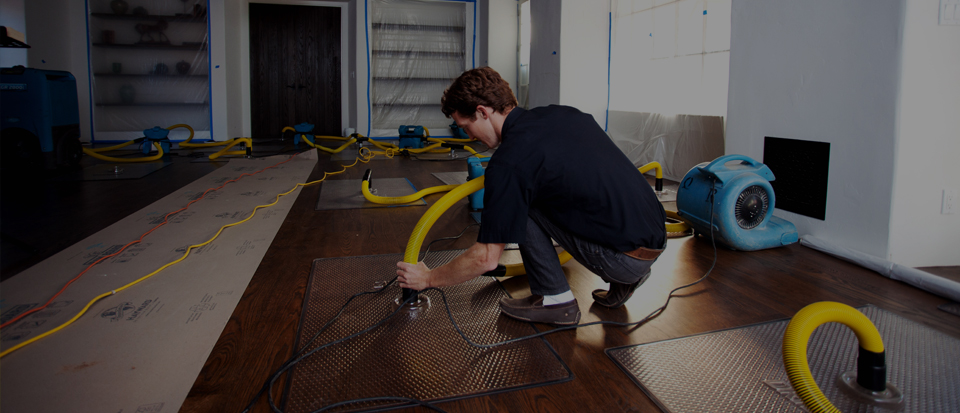
Structural drying is the work that happens after standing water has been pumped out but before repairs can start. It covers pulling moisture out of wood framing, subfloors, drywall, insulation and concrete using commercial dehumidifiers, air movers and sometimes heat, along with daily monitoring with moisture meters to confirm materials are back to a safe, dry standard. Done properly, it stops mold growth, warping, and hidden rot from setting in behind walls or under flooring. Done poorly, or stopped too early, it can leave moisture trapped where you can't see it, leading to problems months later.
Hamilton has 7 businesses working in this category, ranging from dedicated drying specialists to broader water damage restoration outfits that handle drying as part of a full response. When you're comparing them, look for documented moisture readings (not just a technician's word that things "feel dry"), clear drying plans with equipment counts and placement, and straightforward communication about timelines, since drying jobs can run anywhere from a few days to two weeks depending on how much material got wet and how long water sat before extraction.
Our ranking weighs response speed, equipment quality, technician training, and how clearly each company documents its drying process. See the full breakdown in the ranked guide to Hamilton water damage restoration services, and read about how we score providers on our methodology page.
Connect with structural drying & dehumidification
No cost, no commitment. Share what happened and we'll pair you with qualified providers.
All structural drying & dehumidification, ranked by score and relevance
102 businesses. The order weighs each business's overall score by how much of its reviewed work is structural drying & dehumidification, so a lower-scored specialist can rank above a higher-scored generalist. Filter and sort below, or open the full map view.
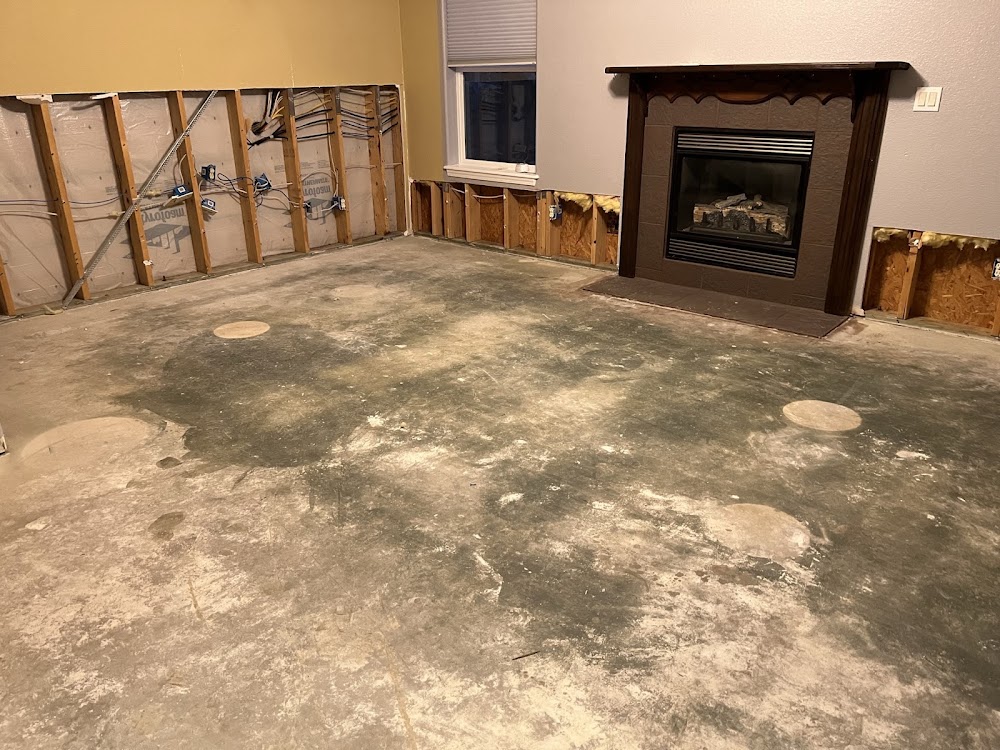
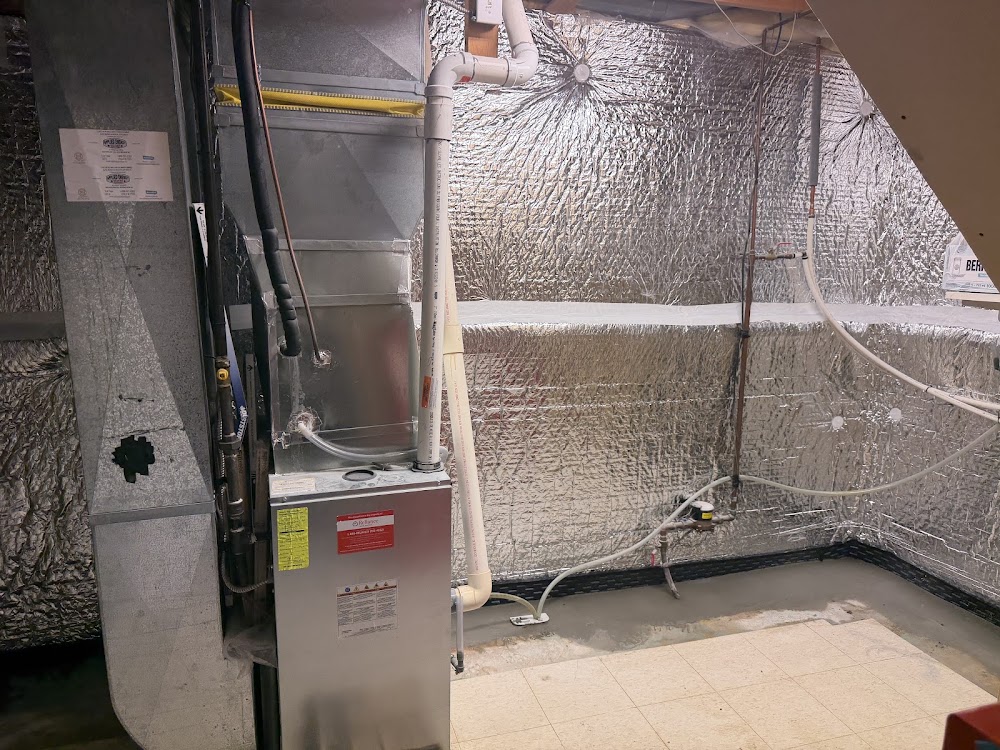
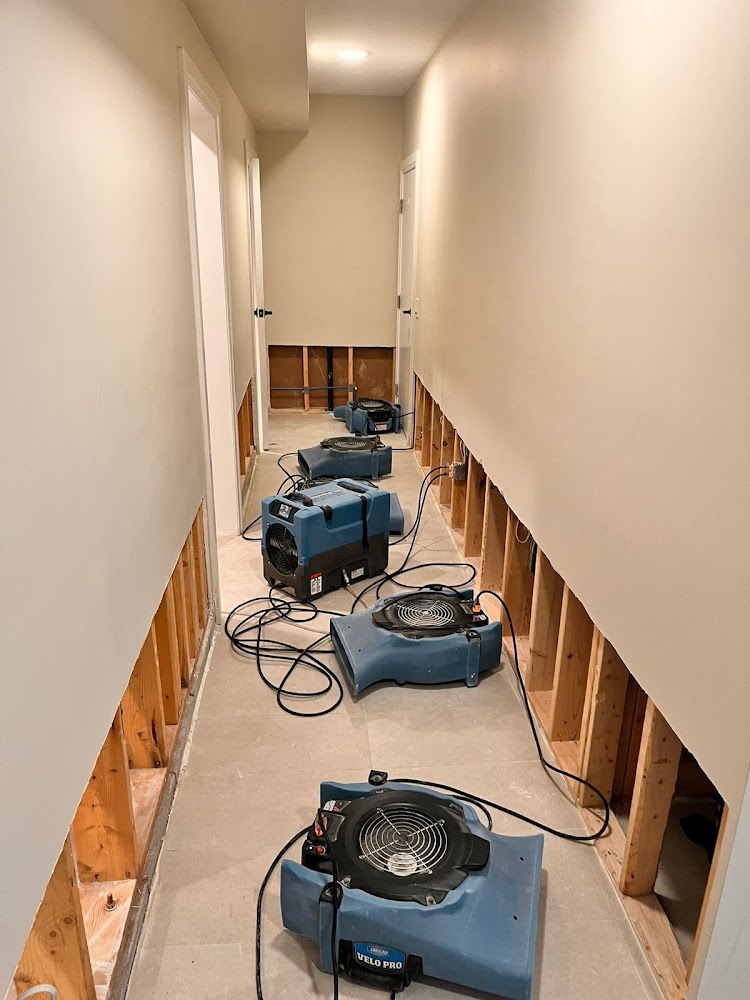








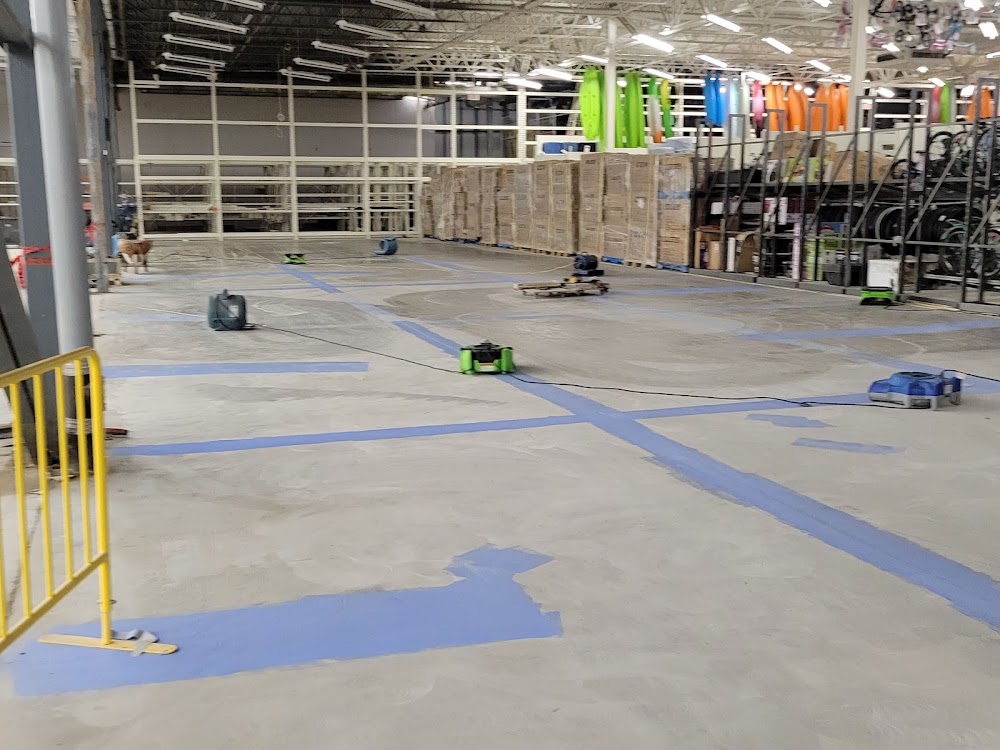


Enquiries from our forms may be passed to partner providers who can do the work. We may earn a referral fee, but our rankings and scores are based only on our published method, never influenced by fees.
Common questions about structural drying & dehumidification
- How much does structural drying cost in Hamilton?
- Costs vary a lot depending on how much square footage got wet, how many rooms and floors are involved, and how long the water sat before drying started. Many restoration companies price drying as part of a broader water damage job rather than as a standalone service, and insurance often covers it if the water damage is a covered peril. Ask for an itemized estimate that separates extraction, drying equipment, and monitoring visits so you know what you're actually paying for.
- How long does structural drying take?
- A typical job runs three to five days with dehumidifiers and air movers running continuously, but it can stretch to a week or two if water soaked into dense materials like hardwood, plaster, or concrete, or if the leak went undetected for a while before anyone called for help. The company should be checking moisture levels daily and only pulling equipment once readings confirm the materials are dry, not on a fixed schedule.
- What should I expect during the drying process?
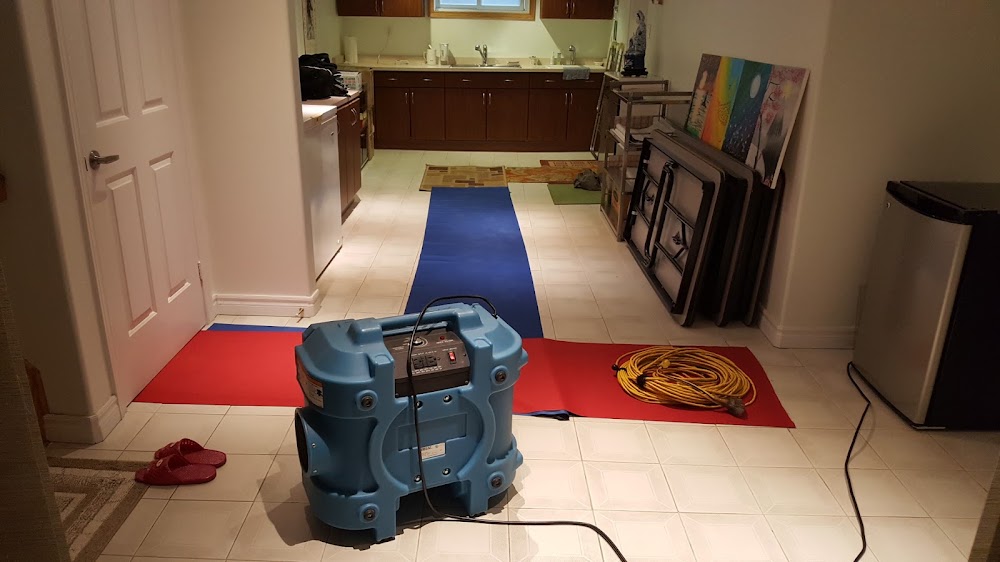
- Expect noise and airflow: dehumidifiers and air movers typically run around the clock, which means higher power use and a room you can't use normally for several days. A good technician will take baseline moisture readings on day one, set up equipment based on the room's size and how wet materials are, and return to re-check and adjust rather than just dropping equipment off and leaving it unattended for the full job.
- How can I judge whether a drying job was done correctly?
- Ask for the moisture readings, both the starting numbers and the final ones, compared against a dry standard for that material. A legitimate job ends with documented proof that walls, subfloor, and framing are back to normal moisture content, not just a visual check. If a company can't or won't show you those numbers, that's a red flag worth pushing on before you sign off on repairs starting.
Guides to choosing structural drying & dehumidification
- How long structural drying takes and what affects the timeline
What determines how long structural drying takes after water damage, and how to tell if a job is finishing on schedule.