Fire and smoke damage restoration: what to expect after a house fire
By James Silva · Updated 2026-07-15
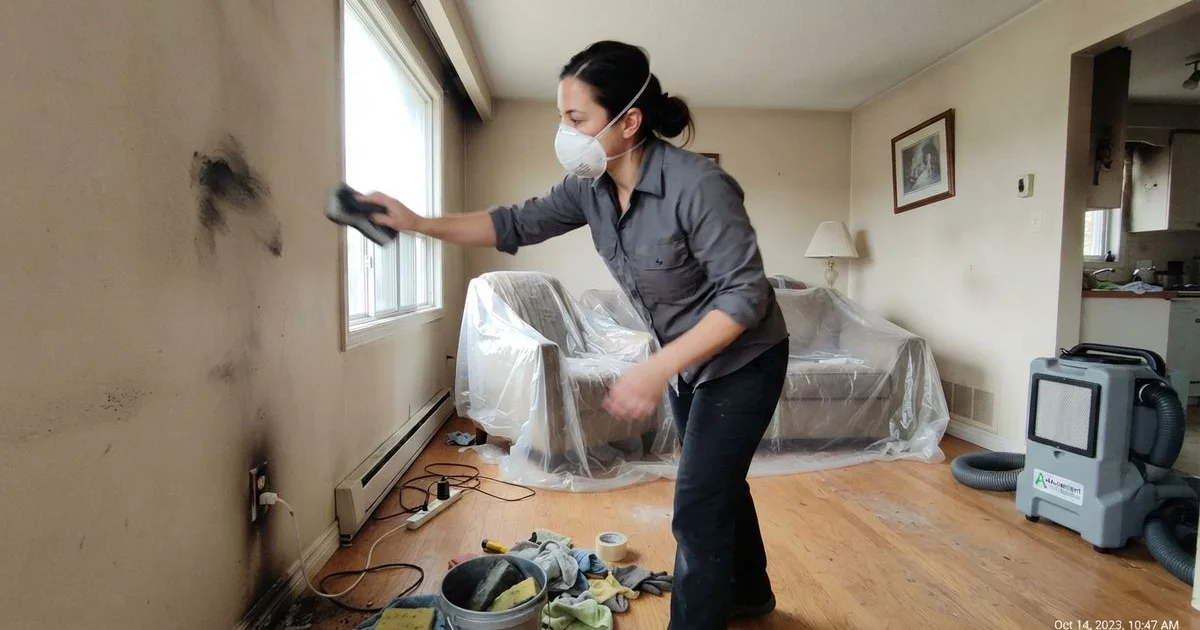
A house fire is one of the most disruptive things a homeowner deals with, and the restoration process that follows has more steps than most people expect. Knowing the sequence in advance makes it easier to know what’s normal and what’s a red flag.
Step 1: securing the property
Before any cleaning starts, the property gets secured, boarding up broken windows or damaged doors, and tarping any roof damage to keep weather out. This step usually happens within hours of the fire being cleared by the fire department, since an unsecured property is vulnerable to further damage and, frankly, to theft.
Step 2: assessing the damage
A technician walks the property to document what’s affected by heat, flame, smoke, and often water from firefighting efforts. Fire damage is rarely contained to the room where the fire started, smoke travels through HVAC systems and settles on surfaces throughout the house, which is part of why the assessment covers the whole property, not just the burned area.
Step 3: water removal, if applicable
Firefighting efforts almost always leave water damage behind. If that’s the case, extraction and drying happen early in the process, using the same equipment and approach as a standard water damage job, air movers, dehumidifiers, and moisture monitoring, since mold can start developing within a day or two if this step gets skipped. Firefighting water follows the same drying playbook as any other emergency water intrusion; the burst pipe emergency first steps guide walks through the same first moves for a plumbing failure instead of a fire.
Step 4: soot and smoke residue removal
This is the core of fire restoration. Soot is acidic and etches into surfaces over time, so removing it thoroughly, from walls, ceilings, and belongings, is time-sensitive. Techniques vary by surface: dry sponging for some materials, wet cleaning for others, and specialized treatment for electronics and HVAC ductwork that carried smoke through the house.
| Restoration phase | What it covers | Typical duration |
|---|---|---|
| Securing the property | Board-up, tarping | Same day |
| Water removal | Extraction, drying | 1–3 days |
| Soot and smoke cleaning | Surface cleaning, HVAC | 3–10 days |
| Odor treatment | Sealing, air scrubbing | 1–3 days |
| Contents restoration | Pack-out, cleaning items | Varies |
Step 5: odor treatment
Cleaning surfaces removes visible soot, but smoke odor often penetrates deeper into porous materials like drywall, insulation, and fabric. Odor treatment can involve sealing affected surfaces, thermal fogging, or ozone or hydroxyl generator treatment to neutralize odor at a molecular level rather than just masking it. This step is often what separates a fully restored home from one that still smells like smoke months later.
Step 6: contents and belongings
Salvageable belongings, furniture, clothing, documents, sometimes get removed from the property for specialized cleaning, a process often called pack-out and pack-back. Items too damaged to save get documented and disposed of, ideally with your input and photos for insurance purposes before anything is thrown out.
How long the whole process takes
Timeline depends heavily on the extent of the fire. A contained, single-room fire with minimal smoke spread might wrap up restoration in one to two weeks. A more extensive fire, especially one involving significant structural damage or widespread smoke throughout the house, can take a month or longer before you’re back in the home, and that’s before any structural rebuild work, which is typically a separate phase.
Working with your insurance company
Most fire damage claims involve significant coordination between the restoration company and your insurance adjuster. Keep your own copies of every estimate, photo, and invoice rather than relying entirely on the restoration company or insurer to track the paper trail. If you’re comparing fire and smoke damage restoration companies, ask how much experience they have specifically with insurance documentation, since that can meaningfully affect how smoothly your claim moves. Our ranking method weighs verified customer outcomes for exactly this reason.
Recovering from a house fire is disorienting enough without also having to guess whether the restoration process is on track. Knowing the standard sequence, and asking for updates at each stage, gives you a way to tell a well-run job from one that’s falling behind. You can start comparing local providers from our home page whenever you’re ready.
Common questions
- How soon should restoration start after a fire?
- As soon as the fire department clears the property as safe to enter. Soot is acidic and continues to damage surfaces the longer it sits, and smoke odor becomes harder to remove the longer it soaks into porous materials like drywall and fabric.
- Can smoke smell ever be fully removed?
- In most cases, yes, with the right combination of cleaning, sealing, and air scrubbing, though severe cases involving synthetic materials can take longer and sometimes require replacing rather than treating certain items.
- Will I need to move out during the restoration?
- For anything beyond minor, contained smoke damage, yes, typically. Board-up, structural cleaning, and odor treatment aren't practical to live around, and air quality during the early cleaning stages isn't ideal for occupancy.
- Does restoration include structural rebuild, like drywall or framing?
- Usually not as part of the same phase. Restoration companies handle cleaning, soot removal, and odor treatment first; structural repairs and rebuild are often a separate phase, sometimes with the same company, sometimes with a general contractor.