Is it safe to stay home after a sewage backup?
By James Silva · Updated 2026-07-24
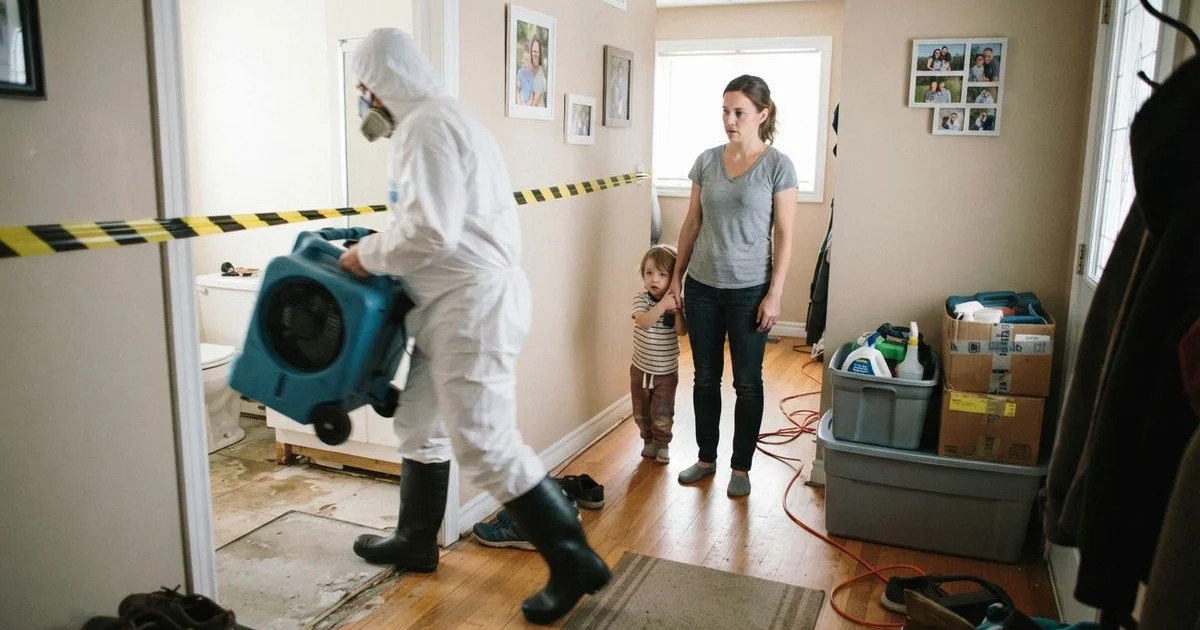
A sewage backup is one of the more unpleasant emergencies a homeowner can face, and it comes with real health risks that go beyond the obvious smell. This is general health and safety information, not medical advice; anyone with symptoms after exposure should contact a healthcare provider.
Why sewage backup is a health hazard, not just a mess
Sewage, classified as black water in restoration terms, contains bacteria, viruses, and other pathogens that pose a genuine infection risk through contact, inhalation of aerosolized particles, or contamination of surfaces and belongings. Unlike a clean water leak, sewage backup isn’t something that becomes safe once it’s visually dry. The contamination remains in porous materials and on surfaces until they’re properly cleaned and disinfected.
When it’s not safe to stay in the affected area
Keep children, pets, and anyone with a compromised immune system, respiratory condition, or open wound away from the affected area entirely until professional cleanup is complete. If the backup is extensive, covering a large area or involving carpet and drywall, it’s reasonable to avoid the affected rooms altogether, and in severe cases, some households temporarily relocate until cleanup and disinfection are finished.
Immediate steps if it just happened
Turn off HVAC systems if the affected area shares ductwork with the rest of the house, to avoid spreading contaminated air. Keep everyone, especially children and pets, out of the area. If you must be near it briefly, wear rubber boots and gloves, and avoid direct contact with any surface it touched. Don’t attempt to use a household vacuum, it isn’t built for contaminated water and can aerosolize pathogens into the air.
| Exposure level | Recommended action |
|---|---|
| Small, contained, hard surface only | Careful DIY cleanup possible with PPE |
| Carpet, drywall, or larger area affected | Professional cleanup required |
| Any symptoms in household members | Seek medical advice, avoid area entirely |
What professional cleanup actually involves
A sewage and biohazard cleanup crew removes contaminated materials that can’t be safely disinfected, cleans and sanitizes surfaces that can be saved, and uses containment to keep the rest of the house protected during the work. This typically includes antimicrobial treatment on affected surfaces and structural drying once the area is clear, since lingering moisture invites mold on top of the original contamination. Some biohazard situations call for even more specialized care, such as after a death in the family; the biohazard cleanup after a death in the family guide covers what that process involves.
Symptoms to watch for after exposure
Gastrointestinal symptoms, skin irritation, or respiratory symptoms after contact with sewage-contaminated water or surfaces are worth taking seriously. If anyone in the household develops symptoms after a backup, especially fever, vomiting, or a skin infection near an exposed area, contact a healthcare provider and mention the exposure directly, since it can affect diagnosis.
Cleaning up around the edges safely
Even when a professional crew handles the core cleanup, there are things you can reasonably do to help without adding risk. Wash any clothing or linens that were nearby but not directly contaminated in hot water separately from other laundry. Wipe down door handles, light switches, and other surfaces people may have touched while moving through the area, using a household disinfectant. Anything that was directly in contact with the sewage itself, though, should be left to the professional crew rather than handled on your own.
Getting help quickly
Sewage backups tend to happen suddenly, often tied to a blocked main line or municipal sewer issue during heavy rain, and waiting doesn’t make the situation safer. Reputable companies in this category typically offer emergency response, since contamination spreads and worsens the longer it’s left untreated. Our home page lists vetted local providers, and our ranking method explains how those rankings are built if you want to know what you’re comparing.
The short answer to whether it’s safe to stay home after a sewage backup is: it depends entirely on the scale and whether the affected area is contained and kept off-limits. When in doubt, treat it as unsafe until a professional has assessed and cleaned it, since the health risk isn’t something you can judge by smell alone.
Common questions
- Can I clean up a small sewage backup myself?
- Small, contained backups on hard, non-porous surfaces can sometimes be handled with proper protective equipment, gloves, boots, and an N95 or better respirator. Anything involving carpet, drywall, or a larger area is a job for a professional biohazard cleanup crew.
- How long should I stay out of the affected area?
- Until it's been cleaned and disinfected by a professional, or until you've thoroughly cleaned and sanitized a small area yourself with appropriate protective gear. Sewage contains bacteria and pathogens that don't become safe just because the liquid has dried.
- Do I need to throw away everything the sewage touched?
- Porous items, carpet, upholstery, drywall, insulation, generally can't be safely disinfected and should be removed. Hard, non-porous items like tile or sealed countertops can usually be cleaned and disinfected rather than discarded.
- Is sewage backup covered by home insurance?
- It depends on whether you have sewer backup coverage, which isn't automatically included on every Ontario policy. Check your specific policy or call your insurer to confirm before you assume either way.