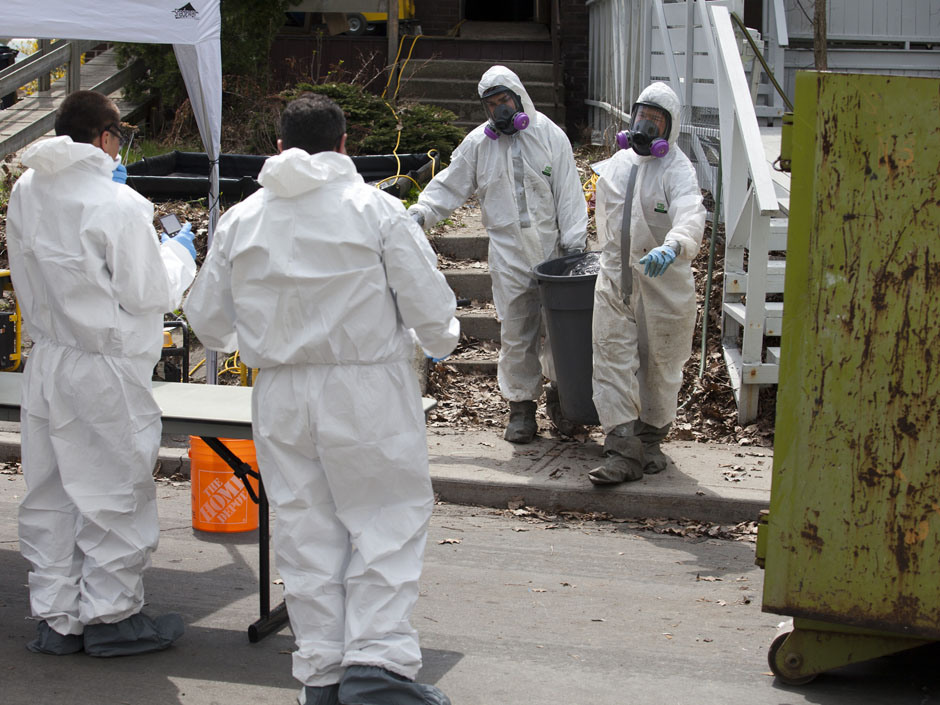
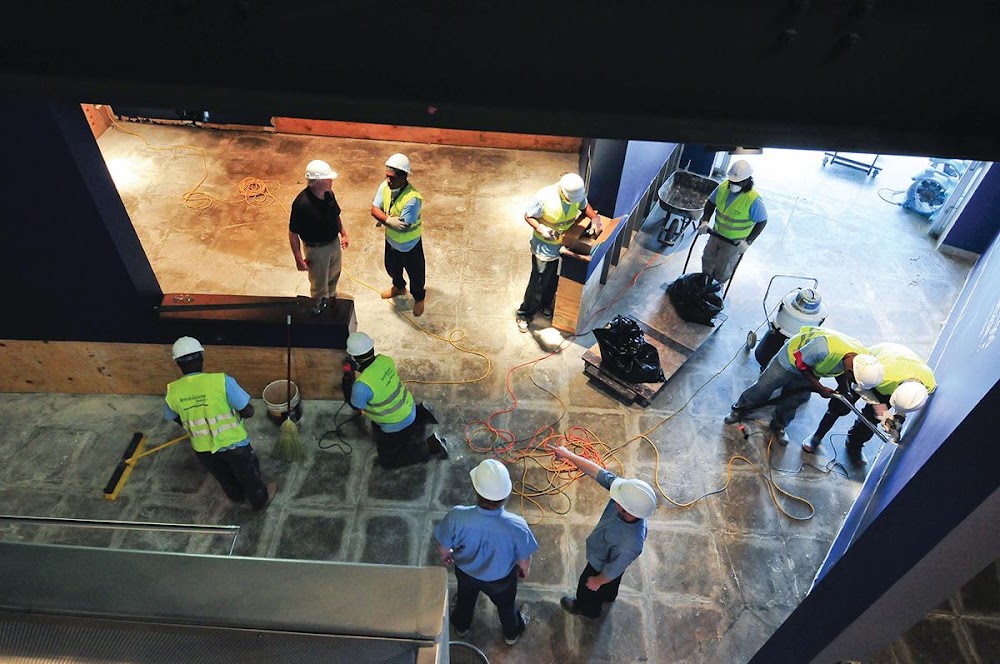
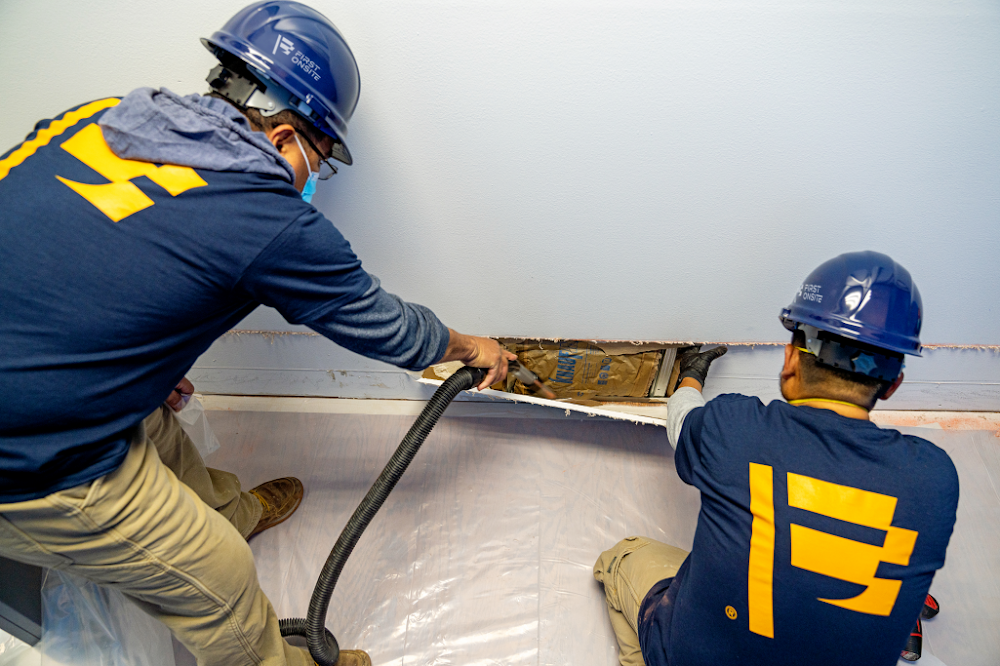
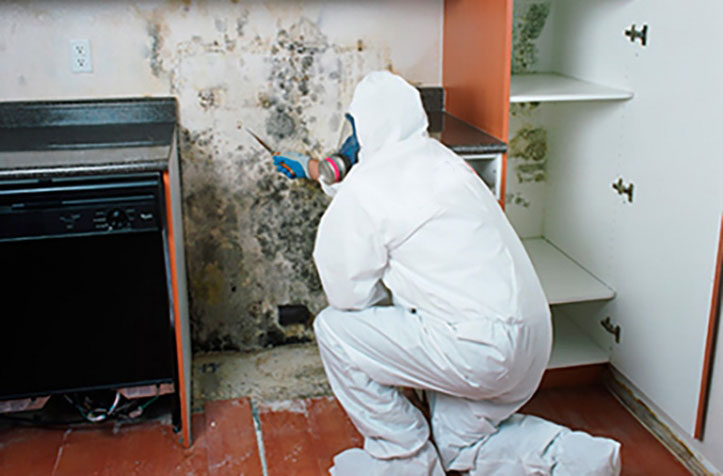
Once standing water is pumped out, the harder job starts: pulling moisture out of framing, subfloor, insulation, and drywall before it turns into rot or mold. Structural drying and dehumidification is that middle phase of a water damage job, sitting between initial extraction and the final rebuild. It's the part that determines whether a flooded basement or burst-pipe kitchen actually gets fixed or just looks dry on the surface while trouble builds behind the walls.
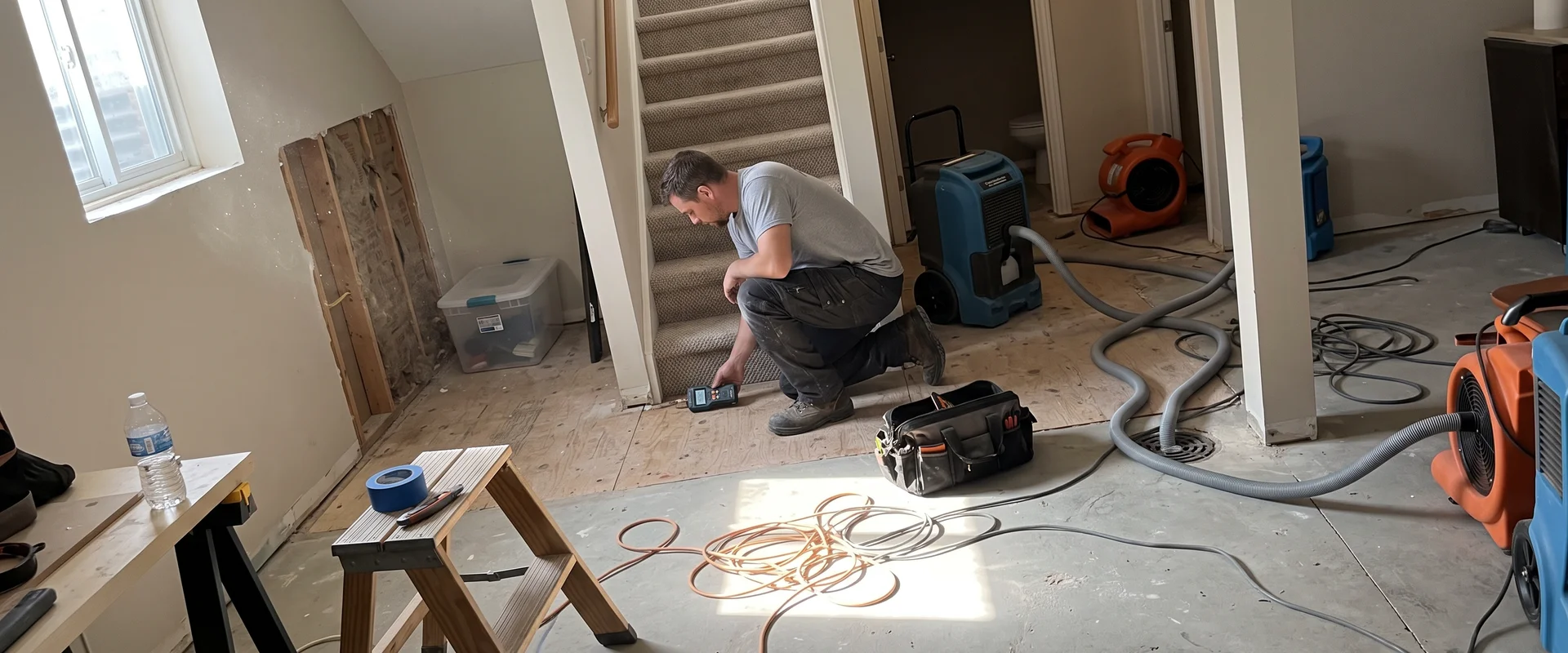
A proper job uses commercial air movers to push air across wet surfaces, low-grain refrigerant or desiccant dehumidifiers to pull moisture out of the air, and a moisture meter or thermal camera to track progress in materials like drywall, hardwood, and concrete. Kitchener's older housing stock, especially homes near the Grand River and in neighborhoods with block foundations, tends to have basements that hold moisture longer, so equipment needs to run for the right number of days, not just until the carpet feels dry to the touch.
When comparing the 6 companies listed here, look for daily moisture readings and logs, equipment left on-site long enough to hit dry-standard targets, clear communication about drying timelines, and documentation your insurer will accept. Our scoring weighs response time, equipment quality, technician certifications, and how well each company documents its drying process. For a full ranked comparison across the whole restoration process, see our best water damage restoration services in Kitchener guide, and check our methodology for how we score and rank each business.