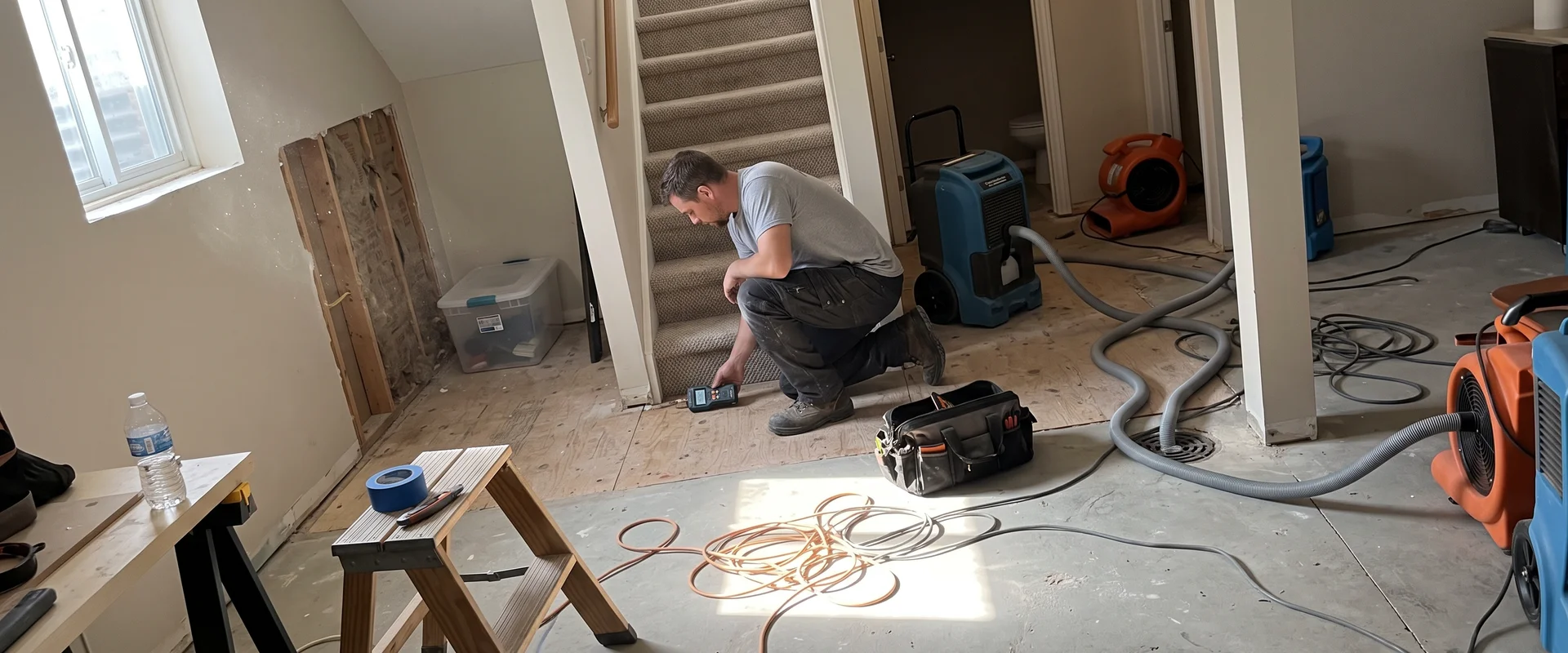
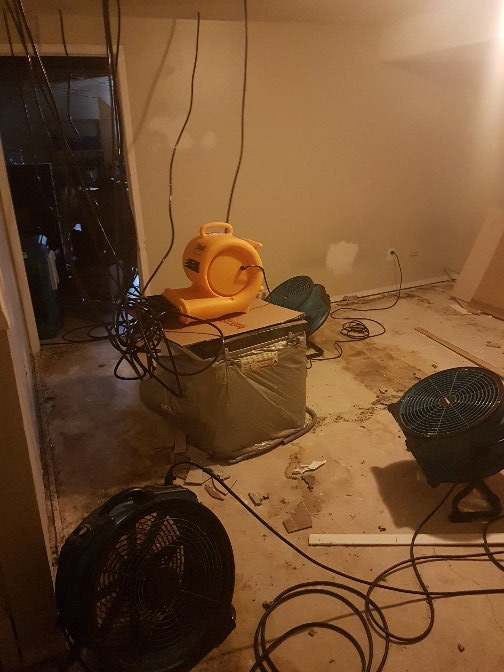
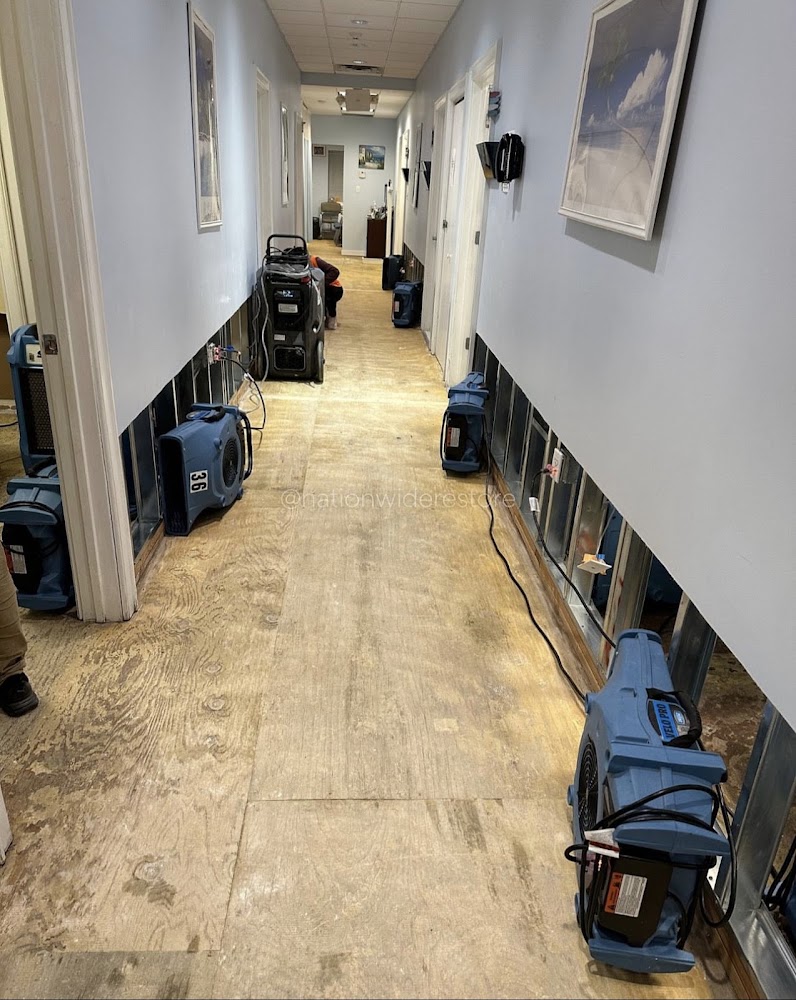
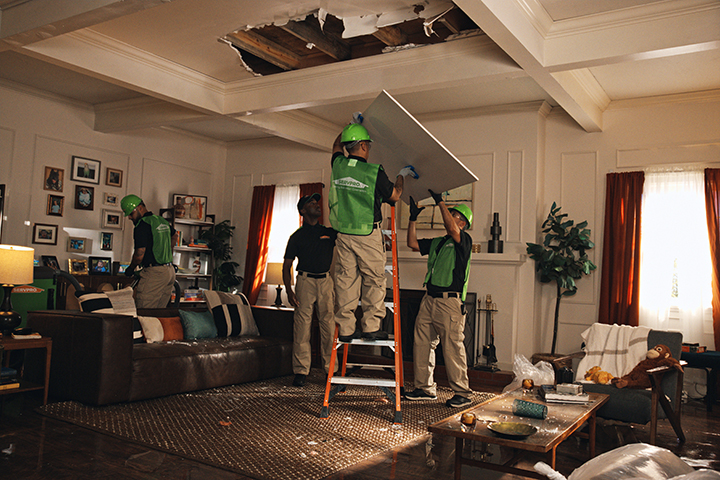
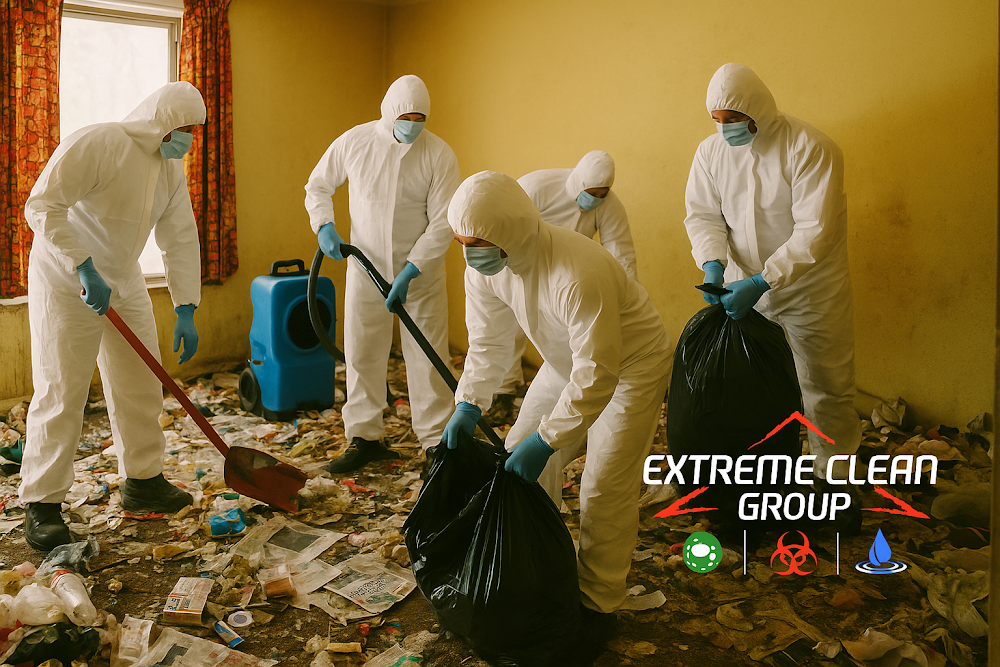
Structural drying is the phase of water damage restoration that happens after standing water has been pumped or mopped out. It deals with the moisture that has already soaked into walls, floors, subfloors, insulation, and timber frames. Left untreated, that trapped moisture leads to warped floorboards, blown plaster, mould growth, and rot in joists and skirting. The job typically involves industrial air movers, low-grain refrigerant or desiccant dehumidifiers, moisture mapping with meters and thermal cameras, and sometimes controlled removal of skirting boards or drywall to let air reach cavities.
We list 6 businesses in London offering this service, and they are not all set up the same way. Some run drying jobs as part of a full flood restoration package, others specialise purely in the drying and monitoring stage and hand off repairs to a separate contractor. Before hiring, check three things: whether they use moisture meters and log readings at each visit (not just guesswork on when a job is "done"), how many dehumidifiers and air movers they can actually bring on site versus what a job that size needs, and whether they document the process for insurance claims, since most structural drying work gets paid through a policy.
Our scoring weighs response time, equipment capacity, documentation practices, and verified customer feedback, so you can compare firms on substance rather than marketing claims. For a ranked view of all water damage restoration providers in the city, see our best water damage restoration services in London guide, and read our methodology for how we score and verify each listing.