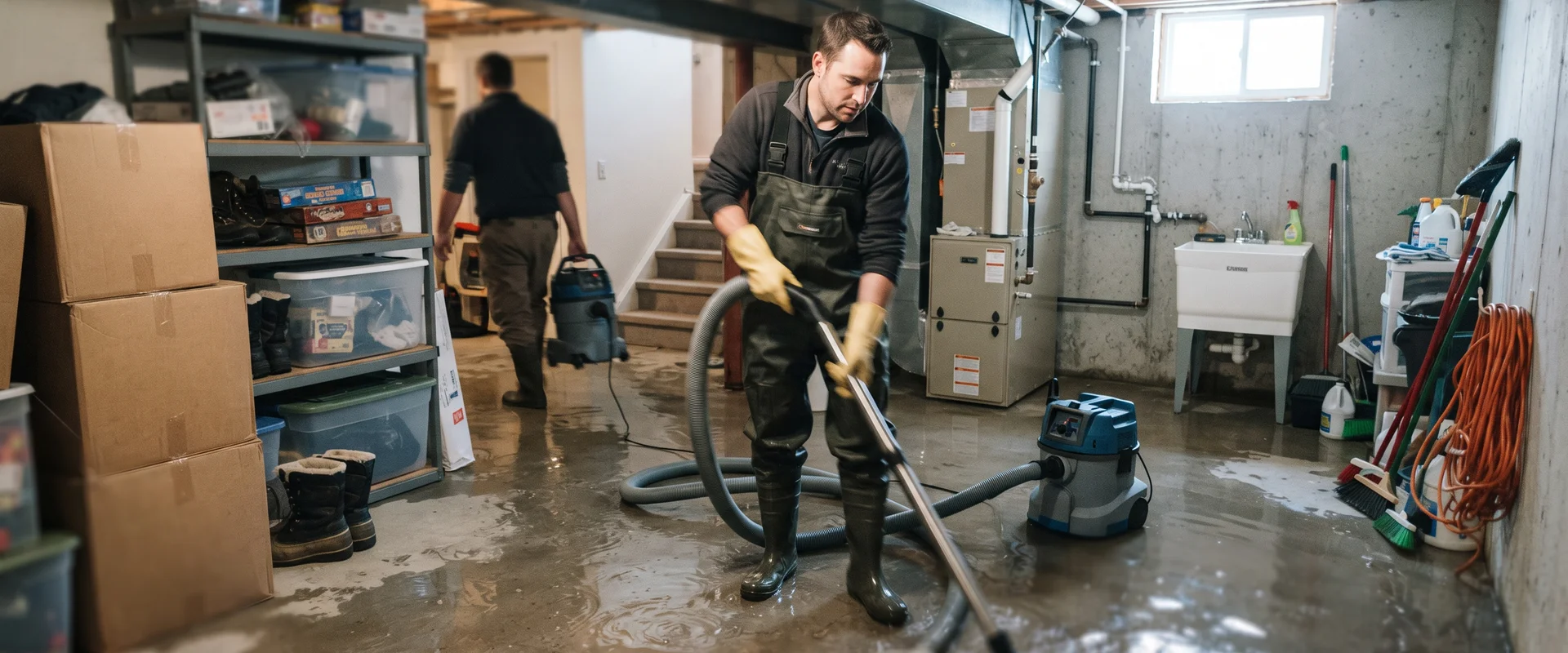
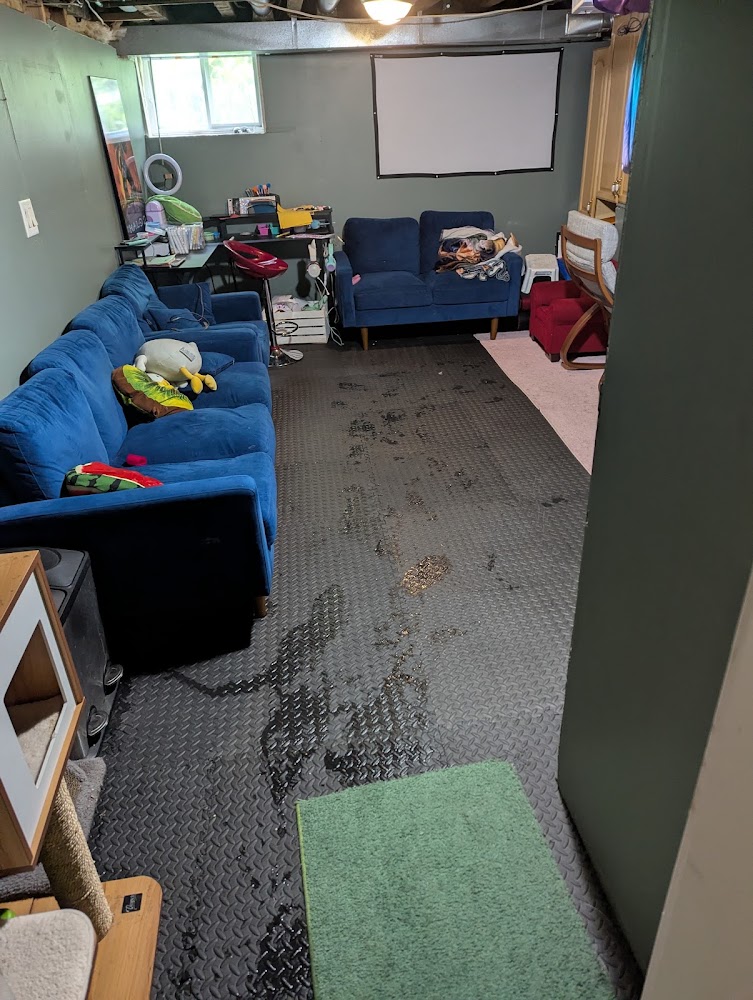
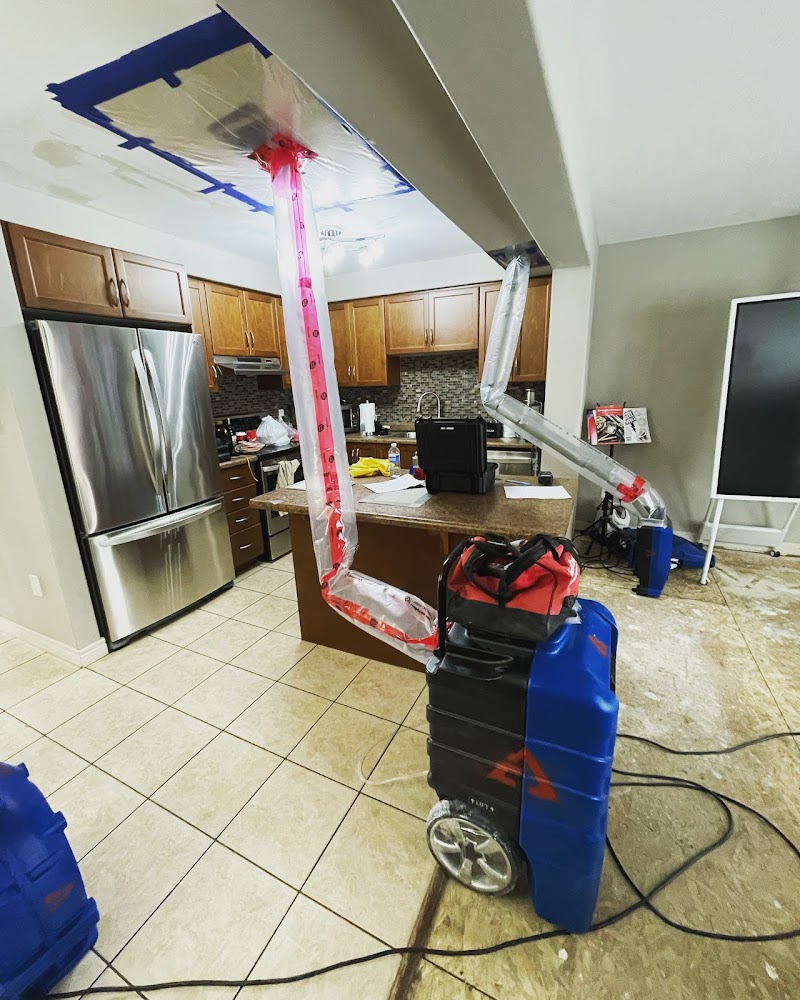
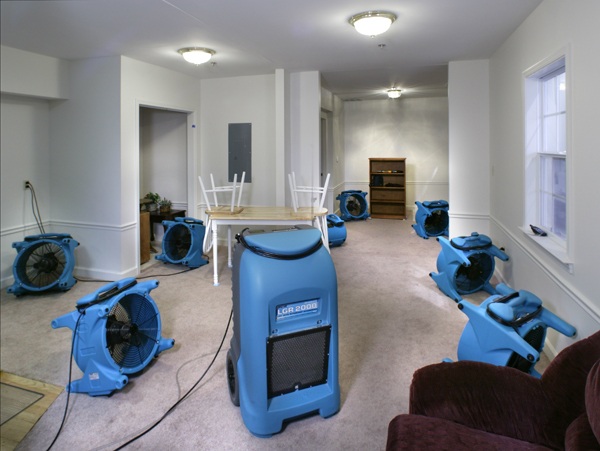
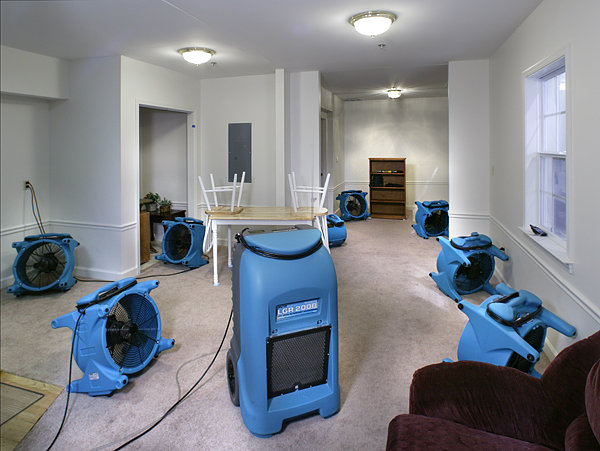
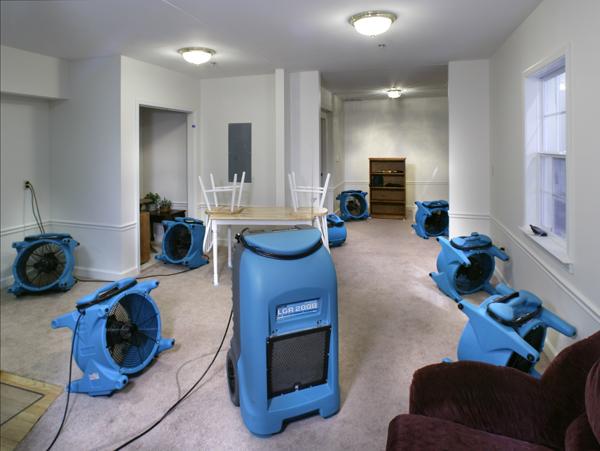
Flood and water extraction covers the first, urgent phase of dealing with a basement backup, a burst pipe, or storm water that's gotten into a building. Crews pump or vacuum out standing water, pull up soaked carpet and padding if needed, and start drying out the structure with air movers and dehumidifiers before mold or wood rot sets in. In Hamilton, this kind of call is common after heavy spring rain, ice-melt flooding around the escarpment, and the sewer backups older neighborhoods like the North End and Crown Point sometimes see when storm systems get overwhelmed.
Speed matters more than almost anything else in this category. Water sitting for 24-48 hours does far more damage than water removed in the first few hours, so response time and after-hours availability should be near the top of your checklist. Beyond that, look for moisture meters and thermal imaging used to confirm walls and subfloors are actually dry (not just surface-dry), clear documentation for insurance claims, and technicians who explain the drying plan rather than just running equipment and leaving.
Our scoring weighs response speed, equipment and drying verification, insurance handling, and how consistently a company follows through until moisture readings are back to normal. See the full ranked breakdown in our best water damage restoration services in Hamilton guide, and read our methodology for how we score and verify each business.